10 Best Steps to Install a Small Solar System in Your Apartment?

Time:2026-05-09 Author:Sophia
0%

In today's world, many people seek sustainable energy solutions. Solar power offers an eco-friendly way to meet this need. However, many apartment owners are unsure how to install a small solar system in an apartment. This guide aims to demystify the process and provide actionable steps.

Installing a solar system in a small space can seem daunting. You may face challenges like limited roof access or shading from nearby buildings. Each situation is unique, and solutions may vary. Nevertheless, with the right information and planning, you'll find it is possible. You'll gain insights into identifying the best equipment, assessing energy needs, and considering local regulations. Remember, meticulous research can lead to significant savings and efficiency.

As you explore this journey, be prepared for some bumps along the way. Unexpected obstacles may arise, but each challenge provides an opportunity to learn. Engaging with professionals or online forums can help. With persistence and focus, you'll better understand how to make solar work in your apartment.
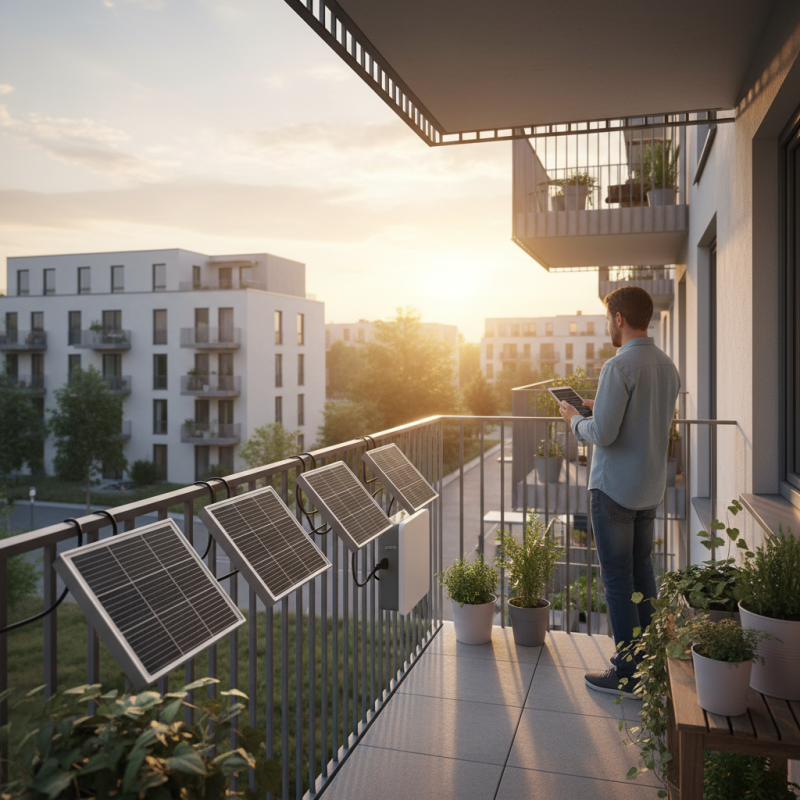
10 Best Steps to Install a Small Solar System in Your Apartment?

Choosing the Right Solar Panel System for Your Apartment

Choosing the right solar panel system for your apartment can seem daunting. You need to consider factors like space, energy needs, and local regulations. An average apartment typically has limited rooftop space, which influences the type and number of panels you can install. According to the National Renewable Energy Laboratory, a small solar array can save renters up to 30% on their electricity bills. This statistic shows that solar energy is a worthy investment.

Before making a decision, assess your energy consumption. The U.S. Energy Information Administration reports that the average household uses about 877 kWh per month. Calculate your needs based on this data to determine how much solar power you require. Factors like seasonal sunlight and shading from nearby structures also play a role. Some systems may underperform in winter months or when obstructed.

Cost is another critical consideration. Installing solar panels averages around $12,000 to $15,000. However, various incentives can reduce this cost significantly. Research available incentives in your area as they can make solar more affordable. Many renters might face installation challenges due to lease restrictions, so communicate with your landlord. Transparent conversations can lead to creative solutions, perhaps involving a shared benefit plan for energy savings.

Assessing Your Apartment's Energy Needs and Roof Space

Assessing your apartment's energy needs is crucial when considering a small solar system. Start by examining your monthly electricity bills. Understanding your consumption patterns allows for a more informed installation. According to the U.S. Energy Information Administration, the average American household uses about 877 kWh per month. This figure can vary significantly based on the size and efficiency of your appliances.

Next, consider your roof space. A typical solar panel measures around 65 inches by 39 inches and generates approximately 300 watts. If you have limited roof space, focusing on energy efficiency becomes essential. Installing additional insulation or energy-efficient windows can lower your overall energy consumption. You might also want to assess the orientation and angle of your roof. South-facing roofs typically receive the most sunlight, making them ideal for solar panels.

Reflect on the potential obstacles. Roof shading from nearby buildings or trees can reduce solar efficiency. It’s vital to measure the impact of these factors and to consider alternative mounting solutions. While small solar systems can significantly lower your electricity bill, achieving optimal performance requires careful planning and assessment of your space.

Understanding Local Regulations and Permissions for Installation

Before installing a small solar system in your apartment, understand local regulations deeply. Many regions require permits for solar panel installation. Ignoring these can lead to fines or removal costs. In the U.S., for example, about 25% of installations encounter zoning or permitting issues. Check your local building codes to avoid unexpected setbacks.

Consider the size and orientation of your apartment. Restrictions may limit the space available for solar panels. Some homeowners associations have strict rules. Research these regulations thoroughly. The National Renewable Energy Laboratory states that understanding local policies can reduce project delays by up to 40%.

Be prepared for potential roadblocks. Not all buildings may allow solar installations, especially older ones. Younger properties might be more flexible, yet still require approval. Engage with your landlord or management team early in the process. Document conversations and agreements. This can save you from future disputes that can be costly and frustrating.

10 Best Steps to Install a Small Solar System in Your Apartment

Step Description Estimated Time Required Permissions
1 Research local regulations on solar installations 1-2 days None
2 Consult with your landlord or HOA 1 week Approval from landlord/HOA
3 Choose a suitable solar system type 2-3 days None
4 Contact a professional installer 1-2 days None
5 Assess the roof or balcony for installation 1-2 days None
6 Apply for required permits 1-4 weeks Building permit
7 Purchase necessary equipment 2-3 days None
8 Schedule installation date with your installer 1 week None
9 Complete installation and inspection 1-2 days Inspection approval
10 Connect to the grid or battery system 1 day Utility approval

Gathering Essential Tools and Materials for Installation

When installing a small solar system in your apartment, gathering essential tools and materials is crucial. Start by listing the items you'll need. A solar panel kit, inverter, and batteries are primary components. You’ll also require mounting hardware, cables, and connectors. Don't forget about safety gear, such as gloves and goggles. Having the right tools can make a significant difference in installation ease.

Before buying anything, check your apartment space. Measure the area where the solar panels will go. Consider the location's sunlight exposure. You'll likely need a drill, a screwdriver, and a wire cutter. Ensure they are in good condition. It’s easy to overlook these details, which may lead to frustration.

Remember to pick reliable materials. Cheap cables and connectors can fail over time. This can be costly. Research your options thoroughly. You might want to ask for advice from experienced installers online. Learning from their mistakes can save you time and effort. Each step involves challenges, but preparation is your best ally.

Connecting Your Solar System to the Grid or Battery Storage

Connecting your small solar system to the grid or battery storage is a crucial step. It impacts efficiency and functionality. Many apartments lack sufficient space. Choosing the right connection method can be challenging. A grid-tied system allows you to sell excess energy back. This can offset costs significantly. Green energy credits can be attractive, but regulations vary by location.

On the other hand, battery storage might appeal to those who want independence. Batteries store energy for nighttime use or power outages. However, these systems can be expensive. They require maintenance and monitoring. Homeowners often underestimate this aspect. Regular checks are essential to ensure reliability.

Deciding between these systems involves trade-offs. You may crave independence but face higher upfront costs. Weighing long-term benefits against initial expenses can be tough. It's crucial to assess local policies and potential return on investment. Engaging with local experts can provide insights tailored to your situation. This decision remains complex, but the rewards can be substantial.

Energy Consumption vs. Solar Power Generation in Apartments

FAQS

: What factors should I consider for solar panel installation in my apartment?

: Consider space, energy needs, and local regulations. Limited rooftop space affects panel options.

How much can I save by installing solar panels?

Renters can save up to 30% on electricity bills with a small solar array.

How do I calculate my energy needs?

The average household uses about 877 kWh monthly. Use this to estimate your solar requirements.

What are the costs involved in installing solar panels?

Installation typically costs between $12,000 and $15,000 but incentives can lower this amount.

Are there local regulations I need to know about?

Yes, many regions require permits for solar installations. Ignoring this can lead to fines or removal.

What if my building doesn’t allow solar installations?

Engage with your landlord early. Document conversations to avoid future disputes and explore creative solutions.

What tools do I need for the installation?

You’ll need a solar panel kit, inverter, batteries, and safety gear. Measure your space before gathering tools.

Why is it important to choose quality materials?

Cheap cables and connectors can fail and incur additional costs. Invest in reliable options to prevent issues.

How can I prepare for installation challenges?

Research local policies and space restrictions. Understand building rules to avoid unexpected project delays.

How can I learn from others' experiences?

Seek advice from experienced installers. Their insights can help you avoid common mistakes and save time.

Conclusion

Installing a small solar system in an apartment can be a rewarding endeavor, but it requires careful planning and consideration. The first step is to choose the right solar panel system that fits your specific needs and constraints. This involves assessing your apartment's energy requirements and available roof space to determine how to install a small solar system in an apartment effectively.

Understanding local regulations and obtaining the necessary permissions for installation is crucial. Additionally, gather all essential tools and materials required for the installation process. Finally, learn how to connect your solar system to the grid or consider battery storage options for optimal energy efficiency. With these steps in mind, you can successfully set up a solar system in your apartment, contributing to a more sustainable lifestyle.

Sophia

Sophia

Sophia is a dedicated marketing professional with an exceptional depth of knowledge about her company's products and services. With a keen understanding of market trends and customer needs, she crafts insightful blog posts that not only inform but also engage readers, enriching the company’s online......