Solar energy has gained immense popularity as a renewable resource. However, many users face challenges with efficiency. Understanding what causes energy loss in solar conversion systems is essential for optimizing performance.
Factors such as system design, environmental conditions, and material quality impact energy efficiency. For example, shading can significantly reduce output. Dust accumulation on solar panels also plays a critical role. The angle and orientation of panels matter too.
Many users are unaware of these influences. Even minor issues can lead to substantial energy loss. It is vital for solar system owners to identify potential inefficiencies. By addressing them, users can enhance energy production and maximize returns on their investments.
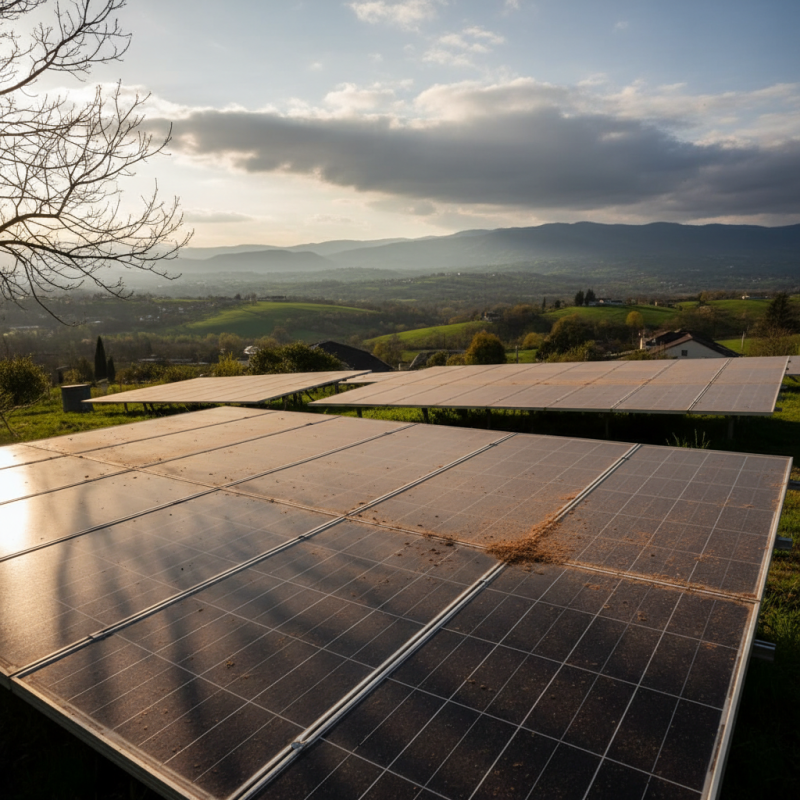
Solar energy conversion systems are essential for harnessing the sun's power efficiently. These systems transform solar energy into usable electricity through various technologies, principally photovoltaic cells. However, efficiency losses occur during this process, affecting overall performance. Understanding these losses can illuminate ways to improve solar systems.
Energy loss in conversion systems can stem from several factors. Temperature fluctuations often reduce the performance of solar panels. Higher temperatures can increase resistance in photovoltaic cells, lowering energy output. Additionally, shading from trees or buildings can block sunlight, resulting in significant energy loss. These examples highlight the importance of site selection and environmental conditions.
Moreover, the quality of materials impacts energy conversion efficiency. Not all solar cells have the same performance levels, even under optimal conditions. Imperfections in the materials can lead to suboptimal energy capture. Regular maintenance and awareness of local weather patterns are vital for maximizing energy capture. Investing time in understanding these aspects can lead to more effective solar energy solutions.
Energy loss in solar conversion systems can significantly impact efficiency. Understanding these losses is crucial for optimizing solar technology. The three primary types of energy losses are reflection, thermal, and electrical.
Reflection losses occur when sunlight hits solar panels. Up to 30% of sunlight can be lost due to this effect. Most solar cells have anti-reflective coatings to minimize this issue, but some losses remain. Thermal losses happen when excess heat builds up in solar panels. This can reduce the panel's efficiency. Studies show that a temperature increase of 1°C can decrease energy output by about 0.5%. Managing thermal performance is essential for maintaining energy conversion rates.
Electrical losses also contribute to inefficiencies in solar systems. These losses occur mainly in wiring and electronic components. Conductors can introduce resistance, leading to energy loss as heat. Research indicates that electrical losses can account for around 10% of the total energy loss in solar systems. Regular maintenance and optimal system design can help mitigate these issues over time.
The efficiency of solar panels depends on various factors. One significant factor is the angle of sunlight. Panels tilted at the right degree absorb more energy. Dust and debris on the surface can block sunlight. Regular cleaning is vital to maintain output.
Temperature plays a crucial role as well. Solar panels can overheat, leading to reduced efficiency. When temperatures soar, energy conversion declines. This phenomenon necessitates proper cooling systems. Yet, many installations overlook this aspect.
Another factor is the quality of materials used in production. Higher-quality components generally perform better, but they often come at a premium. This has led to a tendency to cut costs, resulting in poorer energy conversion. It’s essential to consider the balance between cost and efficiency. The reality is that many consumers face tough choices. They want effective solar solutions without breaking the bank. This often leaves them pondering the long-term value of their investment.
Environmental conditions significantly impact energy loss in solar conversion systems. Temperature fluctuations can lead to decreased efficiency. High heat can overwhelm solar panels, causing a drop in output. Conversely, cold weather can hinder energy generation. Dust, snow, or debris accumulating on panels obstructs sunlight. This blockage can cause substantial energy loss.
Understanding the effects of shading is also vital. Even partial shading reduces energy production. Trees or buildings can create unpredicted shading issues. Regular maintenance and monitoring are key to minimizing these impacts. Engaging experts for panel positioning can help maximize energy capture.
**Tip:** Regularly clean your solar panels. This simple yet effective step can enhance performance. Ensure optimal placement to avoid unnecessary shading. Each adjustment can significantly improve energy efficiency. Adapt your system as conditions change, and stay proactive!
Recent technological advances are helping to reduce energy loss in solar conversion systems. Inefficiencies can occur during the conversion of sunlight to electricity. These losses can arise from various sources, including thermal effects, shading, and suboptimal angles of solar panels. New materials and designs aim to address these issues.
One innovative approach involves the use of bifacial solar panels. These panels capture sunlight from both sides, increasing overall energy capture. Additionally, improved inverter technologies are optimizing the conversion of direct current to alternating current. This results in reduced energy loss during the process.
However, challenges remain. Not all installations utilize the latest technologies. Maintenance and replacement of older systems can be overlooked, leading to inefficiencies. Also, the installation location may not always be ideal. It’s critical to regularly assess energy output and system performance to ensure efficiency. Continuous monitoring can reveal patterns that indicate where losses are occurring, guiding future improvements.
: These systems convert solar energy into usable electricity using technologies like photovoltaic cells.
Efficiency losses occur due to temperature changes, shading, and material quality affecting energy output.
High temperatures can increase resistance in photovoltaic cells, reducing energy output and efficiency.
Shading from trees or buildings can significantly reduce energy production, even if partially blocking sunlight.
Regular maintenance, cleaning panels, and ensuring optimal placement can enhance energy capture and efficiency.
Not all solar cells perform equally. Imperfect materials can hinder effective energy conversion in ideal conditions.
Dust, snow, or debris can block sunlight and cause substantial energy loss, reducing overall system effectiveness.
Stay aware of local weather patterns and engage experts for optimal panel positioning to maximize energy capture.
Yes, cold weather can hinder energy generation as much as high heat can overwhelm solar panels.
Regularly clean your solar panels to enhance their performance and prevent energy loss due to blockages.
Solar energy conversion systems play a crucial role in harnessing renewable energy, but they do face challenges, particularly concerning efficiency. Understanding what causes energy loss in solar conversion systems involves examining various types of energy loss that occur during the conversion processes. Key factors such as the quality of materials used in solar panels, the angle of installation, and shading significantly affect the overall efficiency.
Moreover, environmental conditions like temperature, humidity, and weather patterns can further impact energy production. Advances in technology are continually being developed to mitigate these energy losses, enhancing system performance and maximizing energy capture. By addressing these factors, we can improve the effectiveness of solar energy systems and contribute to a more sustainable energy future.

PlugVolt Charging