Choosing the right battery for home energy storage can be challenging. Numerous options are available, each with its advantages and drawbacks. You might feel overwhelmed. However, understanding your specific needs can simplify the process.
To effectively determine how to choose the right battery for home energy storage, consider factors such as capacity, lifespan, and efficiency. For instance, lithium-ion batteries offer excellent longevity and high energy density. On the other hand, lead-acid batteries are typically more affordable but may require more maintenance.
It's crucial to assess your household energy usage patterns. How much energy do you consume daily? Will you rely heavily on stored energy during peak times? Identifying these details can lead to better battery selection. Don't forget to think about your budget. Balancing upfront costs with long-term savings is vital. Ultimately, selecting the right battery is not just about numbers; it's about making informed choices.
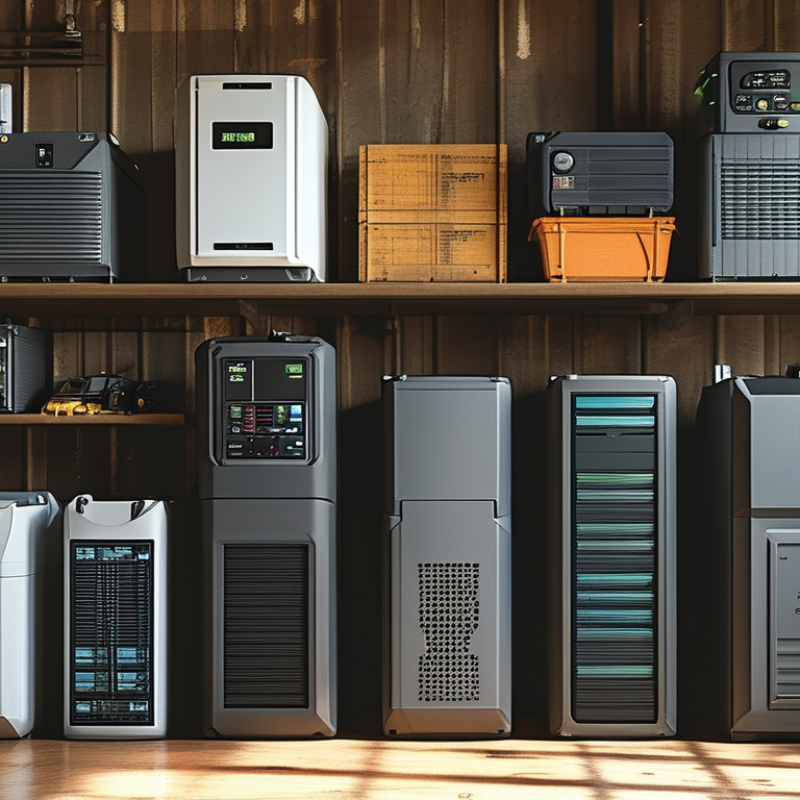
When considering home energy storage, it's crucial to understand your specific needs. An estimated 30% of homeowners have turned to energy storage solutions in recent years, driven by rising electricity costs and a desire for energy independence. The capacity of these batteries is often measured in kilowatt-hours (kWh), which represents how much energy they can store. Identifying how much energy your household consumes is essential for choosing an appropriate system. The average American home uses about 30 kWh per day, making it necessary to choose a battery that can efficiently meet this demand.
Battery performance is influenced by factors such as discharge rates and lifespan. Industry data suggest that lithium-ion batteries are the most popular for home energy storage, thanks to their efficiency and longevity. However, not all lithium-ion batteries are equal, and some may not meet your needs. As these systems can last from 5 to 15 years, it is vital to assess the maintenance costs and potential replacements over time. Additionally, weather and temperature can affect battery performance, leading to fluctuations in efficiency.
It is also important to consider the environmental impact of your choice. While some batteries offer high performance, the source materials for manufacturing may raise ethical concerns. Furthermore, recycling options may not be widely available, leading to more waste if not handled properly. Make your choice wisely, ensuring it aligns with both your energy requirements and sustainability goals.
: Identify your energy consumption. An average home uses about 30 kWh daily. Choose a battery that meets this demand.
Batteries can last from 5 to 15 years. Consider maintenance costs and potential replacements over time.
Discharge rates and temperature impact battery efficiency. Weather conditions can lead to performance fluctuations.
Lithium-ion, lead-acid, and flow batteries are common types. Each has distinct advantages and disadvantages.
They are cheaper upfront but have shorter lifespans. maintenance might lead to higher overall costs over time.
Efficiency ratings indicate energy retention. A battery with 90% efficiency allows only 90% of energy to be usable, affecting savings.
Yes, some materials raise environmental and ethical issues. Recycling options may be limited, increasing waste.
Real user insights can reveal long-term reliability and potential issues. This helps you make better-informed decisions.
Yes, similar batteries may perform differently based on temperature and discharge rates. Assessing these conditions is crucial.
Yes, upfront costs, maintenance, and potential replacements can add up. Check all aspects before finalizing your choice.
When considering how to choose the right battery for home energy storage, it's essential to first understand your specific energy storage needs. Evaluating the types of batteries available, such as lithium-ion or lead-acid, can help determine which option best suits your lifestyle and energy consumption. Furthermore, assessing battery capacity and efficiency is crucial, as these factors will directly affect how much energy you can store and retrieve.
Safety should also be a priority, ensuring that the selected battery system complies with industry standards to mitigate any risks. Finally, conducting a cost analysis to weigh initial investments against long-term benefits can lead to an informed decision that maximizes both financial savings and energy independence. By taking these factors into account, homeowners can make a more educated choice about the best battery for their energy storage needs.

 PlugVolt Charging