How Smart Energy Management Boosts Solar Efficiency for Businesses?

Time:2026-06-16 Author:Madeline
0%

In the quest for sustainability, businesses are increasingly turning to solar energy. However, the challenge remains: how does smart energy management improve solar efficiency? According to Dr. Emily Carter, a leading expert in renewable energy systems, "Effective energy management is key to unlocking the full potential of solar technology." Her insight emphasizes the critical role of strategy in solar implementation.

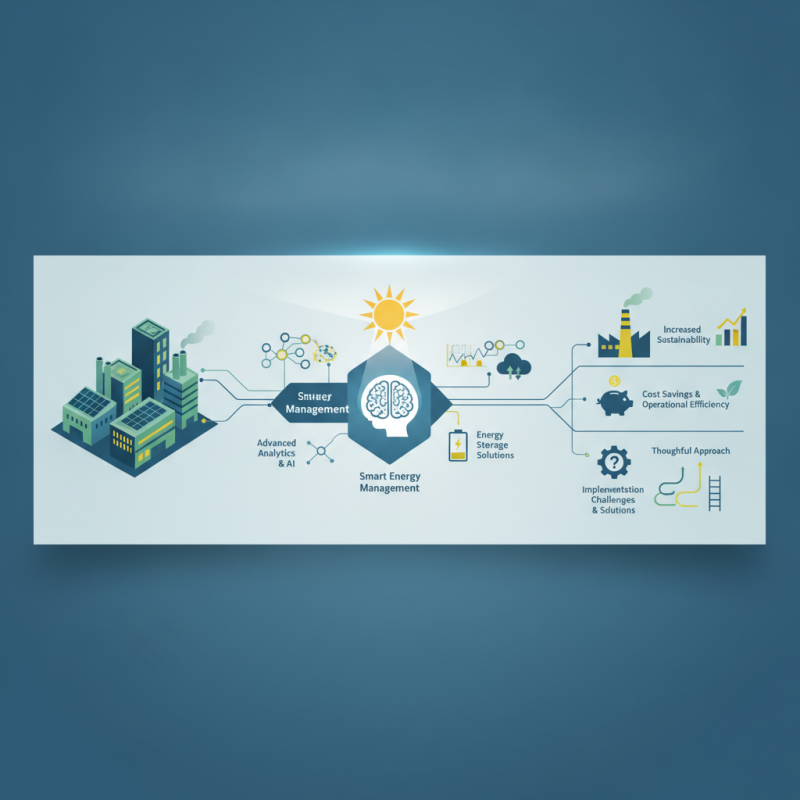
Smart energy management optimizes energy usage, making solar systems more effective. By using advanced analytics and AI, businesses can predict energy needs accurately. This anticipation helps in maximizing solar output during peak conditions. Moreover, energy storage solutions allow companies to store excess energy generated during the day for later use. This combination enhances operational efficiencies and reduces reliance on traditional energy sources.

However, not all businesses are equipped to implement these strategies. Some lack the necessary infrastructure or expertise. Moreover, the initial investment can be daunting. Without proper guidance, the transition to smart energy management can seem overwhelming. A thoughtful approach is essential. Finding the right balance between technology and practicality can significantly enhance solar efficiency and make sustainable energy a reality.
How Smart Energy Management Boosts Solar Efficiency for Businesses?

The Role of Smart Energy Management in Enhancing Solar Performance

Smart energy management (SEM) plays a critical role in enhancing solar performance for businesses. By optimizing energy consumption, businesses can maximize their solar energy investment. According to a report from the International Energy Agency, efficient energy management can increase solar energy utilization by 30%. Implementing SEM strategies helps businesses monitor energy usage and adjust consumption patterns in real-time.

Utilizing smart technology, businesses can analyze data on energy production and consumption. This leads to informed decisions about energy storage and usage. A study published by the National Renewable Energy Laboratory found that businesses with SEM in place improve their solar efficiency by 20% compared to those without. This technology not only reduces waste but also identifies peak production hours, helping companies shift their energy use accordingly.

However, transitioning to smart energy management isn’t without its challenges. Businesses often face initial costs and the complexity of integrating new technologies. Achieving reliability in data tracking remains a concern. Companies must continually assess the effectiveness of their systems. Balancing investment and operational efficiency is crucial for long-term benefits in solar energy management.

How Smart Energy Management Boosts Solar Efficiency for Businesses

Business Sector Initial Solar Efficiency (%) Efficiency Boost with Smart Management (%) New Solar Efficiency (%) Annual Energy Cost Savings ($)
Retail 15 20 18 2,500
Manufacturing 18 25 22.5 15,000
Hospitality 20 18 23.6 10,000
Healthcare 25 15 28.75 20,000
Education 22 20 26.4 8,000

Key Technologies in Smart Energy Management for Solar Efficiency

Smart energy management is reshaping how businesses harness solar energy. By leveraging key technologies, companies can optimize energy usage and improve solar efficiency. Advanced monitoring systems play a crucial role. They provide real-time insights into energy generation and consumption, allowing businesses to adjust their usage patterns accordingly.

A recent report by the Solar Energy Industries Association highlighted that companies implementing smart energy management saw a 30% increase in solar energy efficiency. This is achieved through the integration of predictive analytics. These tools forecast energy demand and adjust solar output to meet needs. Battery storage solutions are also essential. They store excess energy generated during peak sunlight hours for use when the sun isn't shining.

However, there remain challenges in full-scale adoption. Many businesses hesitate due to perceived costs and complexities. Studies indicate that only 15% of companies fully utilize energy management technologies. The potential for solar efficiency is significant, yet the gap in implementation is concerning. As more businesses explore these technologies, the demand for innovative solutions will undoubtedly grow.

Quantifying Energy Savings: Data on Smart Management Impact

Smart energy management significantly enhances solar efficiency for businesses. According to a report from the National Renewable Energy Laboratory, implementing smart technologies can lead to energy savings of up to 25%. This reduction is vital in a landscape where energy costs continue to rise. Businesses that integrate energy management systems can monitor their solar energy usage in real time. This data allows for adjustments that optimize efficiency, making the most of available resources.

Further insights from the International Energy Agency reveal that automated energy management can improve solar panel output by as much as 15%. This optimization comes from scheduling energy use during peak solar hours and minimizing waste. Despite these promising statistics, many companies still struggle to implement smart energy practices. A mere 30% of businesses leverage advanced management tools. The gap between potential and reality highlights the ongoing challenges in adoption and training.

Failure to prioritize energy management can result in substantial losses. Many companies physically miss out on harnessing the full benefits of their solar installations. Utilizing data-driven approaches can bridge that gap, turning unused energy into savings. Engaging with energy analytics will pave the way to improved performance and sustainability. However, companies must acknowledge their shortcomings in this area to truly benefit.

Case Studies: Businesses Achieving Higher Solar Efficiency

Businesses are increasingly adopting smart energy management systems to enhance their solar efficiency. One such success story is a manufacturing company that installed advanced monitoring software. This tool provided real-time data on energy production and consumption. As a result, the company optimized usage patterns, reducing energy waste significantly. They saw a 25% increase in overall solar energy utilization.

Another example features a retail chain that implemented smart energy devices. By automating their lighting and HVAC systems, they synchronized energy usage with peak solar production hours. This adaptation not only saved costs but also improved sustainability. However, the company faced challenges in integrating new technology with existing systems. Continuous adjustments were needed to reach optimal settings, but the effort paid off over time.

Moreover, a tech company restructured its energy sourcing by using artificial intelligence. This approach analyzed historical energy consumption data. Although initially met with skepticism, it ultimately led to better forecasts and energy allocation. The transition was not seamless, requiring staff training and process realignment. Yet, by focusing on smart energy management, these businesses have successfully enhanced solar efficiency, showcasing the power of practical solutions.

Future Trends: Innovations in Smart Energy Management for Solar Power

The rise of smart energy management is transforming how businesses utilize solar power. As technology evolves, new tools are emerging to optimize energy consumption. Smart meters and AI-driven analytics enable precise monitoring of energy usage patterns. These innovations allow companies to adjust their consumption in real-time, maximizing solar efficiency.

Integration of battery storage systems is another game changer. Businesses can store excess energy generated during sunny days for later use. This ensures a steady energy supply even during cloudy periods. However, the initial investment can be daunting for some. Companies must weigh the cost against potential energy savings. This process requires careful analysis and planning.

Monitoring software is becoming more sophisticated. Predictive analytics can forecast energy needs, allowing businesses to plan better. Yet, this approach is not foolproof. System errors can lead to inaccurate data, which may affect decision-making. Continuous improvement and adjustments are crucial for achieving optimal results. Embracing these innovations can lead to significant efficiency gains in solar energy management for businesses.

Impact of Smart Energy Management on Solar Efficiency

FAQS

: What are the benefits of smart energy management for businesses?

: Smart energy management can enhance solar efficiency, leading to energy savings of up to 25%.

How can real-time data improve energy usage?

Real-time data allows businesses to monitor solar energy usage and make adjustments for optimized efficiency.

What challenges do businesses face in implementing smart energy practices?

Many companies struggle with adoption; only 30% utilize advanced management tools effectively.

How can automated energy management affect solar panel output?

Automated systems can improve solar panel output by up to 15% through better scheduling and waste reduction.

What role do battery storage systems play in energy management?

Battery storage allows businesses to store excess solar energy for use during cloudy periods, ensuring steady supply.

Why is investment in smart energy technology a concern for some companies?

The initial cost of integrating advanced technologies can be significant, requiring careful analysis and planning.

How can predictive analytics benefit energy planning?

Predictive analytics aids businesses in forecasting energy needs, improving planning and resource allocation.

What are the potential risks of using monitoring software?

System errors can lead to inaccurate data, which may hinder effective decision-making.

What must businesses acknowledge to improve energy management?

Companies must recognize their shortcomings in energy practices to truly benefit from smart technologies.

How important is continuous improvement in energy management?

Continuous adjustments are crucial for achieving optimal results in energy efficiency and management.

Conclusion

Smart energy management plays a crucial role in enhancing solar performance for businesses by optimizing energy consumption and leveraging real-time data analytics. By implementing advanced technologies such as IoT devices, smart grid solutions, and artificial intelligence, organizations can significantly improve their solar efficiency. This proactive approach allows businesses to manage energy loads effectively, reducing waste and maximizing the use of generated solar power.

Quantifying the impact of smart energy management reveals substantial energy savings, demonstrated through various case studies of businesses that have successfully achieved higher solar efficiency. These examples showcase how does smart energy management improve solar efficiency, paving the way for future innovations in energy management systems tailored for solar power. As the technology continues to evolve, businesses can expect further enhancements in their solar energy strategies, driving both sustainability and cost-effectiveness in their operations.

Madeline

Madeline

Madeline is a dedicated marketing professional with a wealth of expertise in our company's core offerings. With a keen understanding of the industry, she brings a unique perspective to her role, consistently delivering high-quality content that highlights the superior aspects of our products. As......