What Is Smart Energy Management for Solar Efficiency?

Time:2026-11-06 Author:Isabella
0%

Solar panels do not always produce power when a home needs it most. A roof may generate plenty of electricity at noon, while cooking, lighting, and heating push demand higher after sunset. Smart energy management helps coordinate that mismatch. It uses information from meters, inverters, batteries, and sometimes weather forecasts to guide when electricity is used, stored, or drawn from the grid. The aim is practical: make better use of available solar power, not simply install more equipment. Small timing changes can matter.

So, how does smart energy management improve solar efficiency? It can schedule flexible tasks, such as charging an electric vehicle or running a dishwasher, during periods of stronger solar output. If a battery is available, the system may store surplus energy for later use, subject to its capacity and settings. Clear monitoring also helps owners spot unusual production drops or patterns of avoidable grid use. The details matter. A sunny forecast is not a promise, and household routines rarely follow a perfect schedule.

Good results depend on system design, local weather, electricity rates, and how much energy a household uses. Smart controls can support informed decisions, but they cannot remove every limitation of solar power. Some systems may need careful setup, and automated recommendations are not always right for every home. Checking actual production and bills over time provides a more reliable picture than relying on a dashboard alone. There is room for doubt. That is useful, too. A realistic view of smart energy management starts with measured performance, clear expectations, and adjustments that fit daily life.
What Is Smart Energy Management for Solar Efficiency?

What Smart Energy Management Means for Solar Systems

Smart energy management is the control layer that helps a solar system respond to changing conditions. It combines inverter data, household demand, battery charge, and sometimes electricity prices or grid signals. The software can send midday surplus into a battery, run a water heater, or export power when appropriate. At 6 p.m., it may draw from storage instead of the grid. That matters. IEA PVPS’s Snapshot of Global PV Markets 2024 estimates that the world added about 447 GW of solar capacity in 2023. As more systems produce power at similar hours, coordinating when energy is used becomes increasingly important.

In practice, a controller follows settings chosen by the owner, such as keeping a battery reserve for outages or prioritizing self-consumption. It can also adjust to cloud cover and household demand, though forecasts are not perfect. The U.S. Department of Energy’s 2023 Virtual Power Plants report estimates that these coordinated resources could reach 80–160 GW by 2030. Solar, batteries, and flexible loads can contribute to that capacity when connected and managed together. A dashboard alone is not smart management. The system must act on useful data, and its priorities should be clear. There is a trade-off: saving stored energy for later may mean exporting less at noon. That choice deserves a second look.

Key Components of a Solar Energy Management System

What Is Smart Energy Management for Solar Efficiency?

A solar energy management system turns scattered measurements into practical decisions. Its smart meter tracks electricity flowing to and from the grid. Inverter data shows how much direct-current power becomes usable household electricity. Temperature and sunlight sensors add useful context. IRENA’s Renewable Capacity Statistics 2024 reports that global solar capacity reached 1,419 GW by the end of 2023, following 346 GW of additions that year. With installations expanding, clear system monitoring matters.

The energy management software is the coordinating layer. It compares solar production with household demand, then schedules flexible loads or battery charging. For example, it may run a water heater when rooftop panels are producing strongly. A battery can shift surplus power into the evening, while connected appliances provide another form of flexibility. Not every home needs every component. Forecasts still miss sudden cloud cover, and a neat dashboard cannot fix poor system settings. That limitation deserves attention.

Tips: Check that your meter, inverter, and monitoring platform report at compatible intervals. Review a sunny-day graph: midday production should generally rise, then fall, while household use may peak later. Small patterns reveal useful changes.

What Is Smart Energy Management for Solar Efficiency?

Key Components of a Solar Energy Management System

This illustrative example compares solar generation with household demand across a sunny day. A smart energy management system uses an inverter, smart meter, controller, and—when installed—a battery to coordinate solar power, household loads, and stored energy. Midday generation above demand can charge a battery or be exported to the grid. Values are illustrative, not measured site data.

How Smart Controls Balance Solar Supply and Demand

Smart energy management coordinates solar production with the changing needs of a home or building. A control system can compare live panel output, battery charge, and electricity use. When midday sunlight exceeds demand, it may direct surplus power to a battery or a flexible load, such as water heating. When clouds pass, it can reduce battery charging or draw stored energy to cover selected needs.

Timing matters. A battery does not create energy; it shifts when available solar power is used. Controls can also schedule flexible tasks for sunny hours, but only when their timing allows. For example, a system might heat water after late-morning production rises, rather than relying on grid power in the evening.

Small adjustments add up. Yet forecasts can be wrong, and settings that look efficient on a screen may not suit a household’s routines. The controls need accurate meters and sensible limits. A battery reserve may be kept for outages or evening use, while heavy appliances remain available when needed.

That trade-off deserves attention. Shade, seasonal daylight, and sudden demand can all change results. Reviewing actual production and consumption over several weeks helps reveal whether automation is helping—or merely moving costs around.

Methods for Improving Solar Energy Efficiency

Smart energy management improves solar efficiency by matching generation with real household demand. Start with interval data from a smart meter or inverter. Compare midday production with appliance use, then schedule flexible loads—such as water heating, laundry, or electric-vehicle charging—during sunny hours. Small timing changes can reduce grid imports without adding panels. A battery can shift surplus energy into evening use, but its value depends on local rates, system size, and round-trip losses. More storage is not automatically better.

Keep panels clean and check for shade, inverter faults, and unusual output drops. IEA PVPS Task 13 research reports that soiling can reduce global PV energy production by roughly 3–4% on average, though local losses vary widely. NREL-led research found a median PV-system degradation rate near 0.5% per year, making long-term performance tracking useful. Look at monthly energy per kilowatt installed, not one unusually cloudy week. No dashboard fixes a shaded roof. And cleaning too often can waste water or risk damage; inspect first, then follow the system maker’s maintenance guidance. These figures are benchmarks, not promises for any individual site.

Benefits and Practical Limits of Smart Energy Management

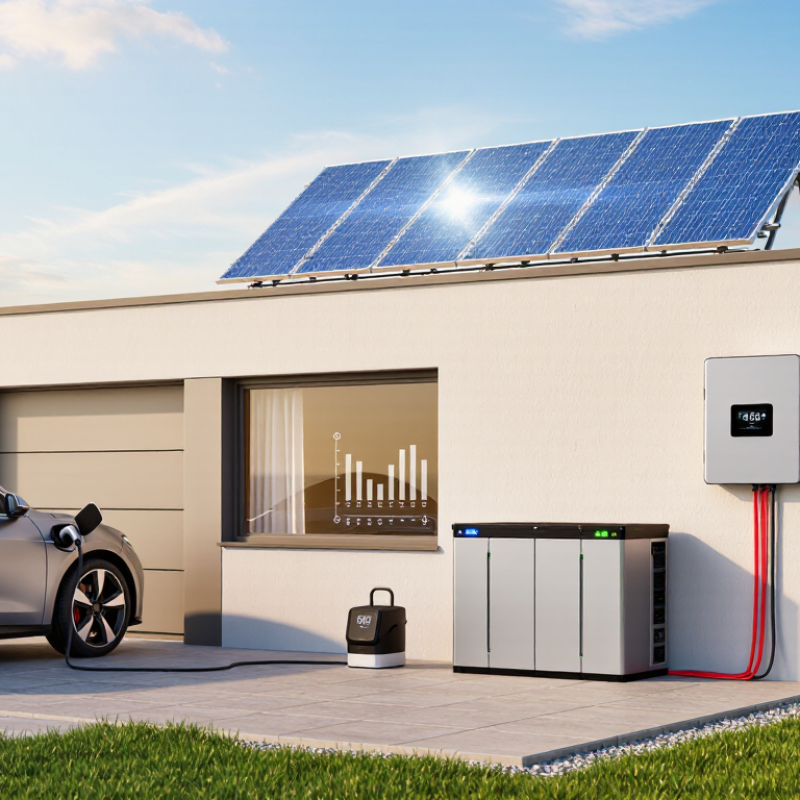
Smart energy management connects solar panels, a battery, household appliances, and real-time electricity data.

A controller can direct midday surplus into a battery or run a dishwasher while panels are producing. This may reduce grid purchases, especially when household demand rises after sunset. The benefit depends on the home’s usage patterns. Small changes matter.

Automation can also make solar power easier to use. A system may charge an electric vehicle during sunny hours or reserve battery capacity for evening cooking. Clear monitoring helps people see when energy is generated, stored, or drawn from the grid. But predicted savings are not guaranteed. Electricity rates, export payments, weather, and equipment settings all affect the result.

There are practical limits. Cloudy forecasts can be wrong, and a battery cannot cover every appliance through a long outage. Some systems need careful setup, stable internet, or ongoing adjustments as routines change. Data may also be incomplete, so automated decisions can feel less clever than promised. A simple schedule may work better for some homes. It takes attention. Comparing actual bills and energy use over several months gives a more grounded view than relying on estimated savings alone.

FAQS

What does smart energy management do for a solar system?

It uses inverter data, household demand, battery charge, and sometimes grid signals to guide energy use. It can store midday surplus or power evening appliances. Timing matters.

How can I use more solar power at home?

Check interval data from your meter or inverter. Run laundry, water heating, or vehicle charging during sunny hours. Small schedule changes may reduce grid imports.

Does every home need a battery?

No. A battery can shift surplus solar into evening use, but local rates, system size, and energy losses affect its value. More storage is not always better.

What settings can an owner control?

Settings may prioritize self-consumption or keep reserve charge for outages. The system can respond to demand and cloud cover, but forecasts can be wrong. Not foolproof.

Is a dashboard enough?

No. A useful system must act on data, not merely display charts. Check whether its priorities match your routine. I may still trust a tidy graph too quickly.

Why might stored energy mean less power exported at midday?

Saving battery charge for 6 p.m. can reduce midday exports. The trade-off depends on household needs and electricity prices. It deserves regular review.

How can I spot falling panel performance?

Compare monthly energy per installed kilowatt, rather than judging one cloudy week. Check for shade, dirt, inverter faults, and unusual output drops. One month can mislead.

How often should panels be cleaned?

Inspect them first. Research suggests soiling reduces global solar output by roughly 3–4% on average, but local losses vary. Cleaning too often may waste water or risk damage. Follow maintenance guidance, and treat performance figures as benchmarks, not promises.

Conclusion

Smart energy management helps solar systems use the electricity they produce more effectively. It combines monitoring tools, energy meters, inverters, storage, and automated controls to track solar generation, household demand, and battery levels. By comparing supply with current and expected use, the system can direct electricity to appliances, store surplus energy, or draw from another source when solar output is low. In this way, how does smart energy management improve solar efficiency? It reduces avoidable waste and helps align energy use with periods of strong solar production.

Practical strategies include shifting flexible tasks to sunny hours, managing battery charging and discharging, and adjusting loads in response to changing conditions. These measures can lower reliance on outside electricity and make better use of a solar installation. Results depend on factors such as system size, weather, usage habits, equipment compatibility, and storage capacity, so smart controls cannot eliminate variability or guarantee savings. Regular monitoring and realistic expectations help users improve performance within the limits of their system.

Isabella

Isabella

Isabella is a dedicated marketing professional with a sharp focus on driving brand growth and engagement through strategic content creation. With an extensive background in digital marketing, she combines her passion for storytelling with her keen understanding of industry trends to deliver......