Solar panels can produce abundant electricity, yet a surprising amount may return to the grid unused. This often happens at midday, when household demand is low. Learning how to increase solar energy self consumption at home means matching daily electricity use with solar production. It also means understanding your inverter readings, utility tariff, and household routines.
Amory Lovins, energy expert and cofounder of Rocky Mountain Institute, said, “The cheapest energy is the energy you don’t use.” His point remains practical for solar homeowners. Reducing waste comes before buying more equipment. A well-timed dishwasher cycle, water-heater setting, or laundry load can improve solar usage without major changes. Small actions matter.
This guide explores ten realistic methods, including smart appliance scheduling, battery storage, electric-vehicle charging, and energy monitoring. A home battery can store surplus power, but it is not automatically the best investment. Its price, lifespan, climate, and local electricity rates require careful review. Some households may gain more from shifting loads during sunny hours.
The process is not perfectly predictable. Clouds interrupt production. Families change routines. Software estimates can also be wrong. That is why real usage data deserves attention. Review several weeks of inverter and utility information before making expensive decisions. A qualified solar installer or energy adviser can check system sizing, safety, and local rules. The goal is simple: use more of your own clean electricity, waste less, and make decisions based on evidence rather than attractive promises.
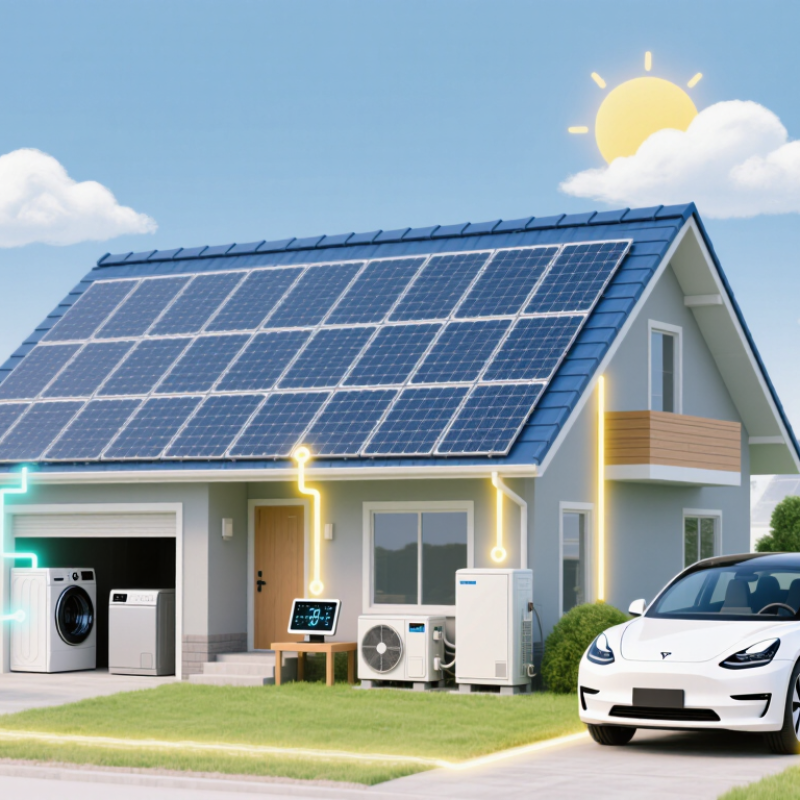
Before increasing solar self-consumption, measure what your home actually produces and uses. Review inverter records, utility bills, and smart-meter data for at least four weeks. A single sunny day can create false confidence.
Record solar output at midday, then compare it with household demand. Note when the refrigerator, water heater, washing machine, and air conditioner operate. Many homes produce the most electricity while residents are away. That mismatch matters.
My first estimate was wrong. I expected high daytime use, but evening cooking consumed far more energy. A simple spreadsheet revealed the pattern. Mark production and consumption in hourly blocks, including cloudy days and weekends. Check seasonal changes, too. Winter output may fall while heating demand rises.
Move flexible tasks into sunny hours when practical. Run laundry, charge devices, or heat water during strong production periods. Avoid shifting every appliance without checking safety instructions and household routines. Some loads require professional assessment.
Compare your solar production with total household consumption, not just exported electricity. Exported power shows unused generation, but it does not explain why the energy was missed. If meter readings seem inconsistent, ask a qualified electrician to inspect the monitoring equipment and wiring. Keep records for several billing cycles. Data can be messy. That is normal. Reliability improves when decisions follow measured patterns rather than assumptions.
Solar panels produce most electricity between late morning and mid-afternoon, while many homes consume more after sunset. The International Energy Agency reported that solar PV supplied 5.5% of global electricity in 2023. That growth makes timing more important. NREL’s End-Use Load Profiles for the U.S. Building Stock also shows that residential demand commonly rises during evening hours.
Move laundry, dishwashing, and water heating into sunny hours. Set the washing machine for 11 a.m. Use a timer, not memory. Run pool pumps and ventilation fans before 3 p.m. Pre-cool rooms slightly before sunset. Charge electric vehicles during midday. Bake or cook lunch when solar output is strongest. Program heat pumps around local production, while keeping comfort limits. A home energy monitor can reveal hidden evening loads. Start with one appliance. Check its effect for a week. Shift refrigeration carefully, because excessive cycling wastes energy. Battery storage may help, but it is not automatically the best answer. Fraunhofer ISE’s Photovoltaics Report notes that system results depend on household demand, array size, and storage conditions.
Keep essential loads stable during cloudy weather. Avoid running every appliance at once. Solar forecasts can improve daily scheduling, though they are imperfect. My practical concern is simple: a perfect timetable may fail when family routines change. Review monthly electricity data, then adjust the schedule. NREL’s 15-minute load profiles provide a useful reference, but each household needs its own measurements. Intentional timing usually costs less than adding equipment.
A representative clear-sky day for a home with a 5 kW rooftop solar system. Running flexible loads during late morning and early afternoon can increase the share of solar power used directly at home.
Solar generation is highest between 10:00 and 16:00, while household demand often rises in the morning and evening. Scheduling laundry, dishwashing, water heating, cooling, and electric vehicle charging during sunny hours helps reduce surplus solar exports and lowers grid electricity use.
Improving appliance efficiency is one of the easiest ways to use more of your solar power at home.
Begin with a simple energy audit. Record which appliances run during sunny hours, then check their actual consumption with a plug-in energy meter. An old refrigerator, dehumidifier, or freezer may use more electricity than expected. Clean filters and coils regularly. Keep ventilation clear. Small maintenance tasks can improve performance.
Choose efficient appliances when replacement becomes necessary, but do not replace a working appliance without calculating the savings. Run washing machines and dishwashers during peak solar production. Use full loads and eco settings when they suit the job. A timer can shift water heating or pool pumps into daylight hours. Smart plugs can disconnect chargers, televisions, and game consoles overnight. Standby use seems minor. It adds up across many rooms.
Walk through your home after bedtime. Look for glowing lights, warm adapters, or humming equipment. These signs often reveal hidden consumption. Unplug devices that rarely need instant access, while keeping essential equipment connected. I would not trust estimated savings alone; compare meter readings before and after each change. Weather, household routines, and seasonal solar output can distort results. Review the data for several weeks, then adjust one habit at a time. Perfect control is unlikely. Better awareness is practical.
Solar panels can produce more electricity than a household needs at noon. A battery can capture that surplus for evening cooking, cooling, or lighting. In my experience, the biggest gains came from changing habits, not simply adding capacity. Track daily production and consumption for one week. This reveals whether waste occurs at midday or after sunset. Then size storage around measured needs, not optimistic estimates. An oversized battery may cost more and sit partly unused. Keep a reserve for outages, but review that setting seasonally. Small adjustment.
Use a smart energy controller to run flexible loads during strong sunlight. Schedule water heating, laundry, and charging when solar output is usually high. Set essential appliances as priority loads. Let the system delay nonessential equipment when the battery falls below its reserve. Time-of-use prices can guide charging and discharging, where local rules permit. However, automated schedules are not always perfect. Clouds, guests, and unusual work hours can defeat them. Check the monitoring system weekly, then compare its readings with your utility meter. I once blamed the battery for poor savings when an old freezer was the real problem.
Improve self-consumption before buying more storage. Seal drafts, replace inefficient lamps, and reduce standby power. Keep panels clear, and arrange professional inspections for wiring and battery safety. Never alter protective settings without qualified advice. Ask an installer to explain usable capacity, warranty limits, emergency operation, and safe shutdown procedures. Weather forecasts can help preserve capacity before storms, but forecasts can be wrong. Leave room for learning. A simple monthly record of solar generation, battery cycling, and grid imports makes decisions more reliable.
A solar app is more than a production dashboard. It shows when your roof creates electricity, when your home consumes it, and when power flows to the grid. Check these readings at breakfast, midday, and evening for one week. Look for repeated gaps. A bright 1 p.m. graph with low household demand signals unused solar energy.
The U.S. Energy Information Administration reported that air conditioning represented 19% of household electricity use in its 2020 Residential Energy Consumption Survey. Schedule cooling before late afternoon, when practical. Run dishwashers, washing machines, and heat-pump water heaters during strong solar hours. Use timers, but keep comfort and appliance safety ahead of rigid schedules. Small changes matter.
Measure the result, not just the intention. The International Energy Agency Photovoltaic Power Systems Programme notes that energy management and storage can increase distributed PV self-consumption. Compare weekly solar production, household use, and grid exports. A simple spreadsheet works. My first assumption would be wrong if exports remain high after shifting laundry. Perhaps the water heater runs at night, or the monitoring data has a delay. Check meter intervals and weather before changing several habits at once. Fraunhofer ISE reported that photovoltaics supplied about 12% of Germany’s electricity in 2023, making timing increasingly important as solar generation expands. Keep one habit unchanged each week; otherwise, you may not know what actually helped.
Use washing machines, dishwashers, and water heaters from late morning through mid-afternoon. Set a timer for around 11 a.m. Run pool pumps and ventilation fans before 3 p.m. Timing matters.
Charge electric vehicles around midday. Cook lunch or bake while solar production is strong. Pre-cool rooms before sunset. Schedule heat pumps within comfortable temperature limits.
Check your solar app at breakfast, midday, and evening for one week. Compare household use with solar production. A bright midday graph and low home demand show possible unused energy. Look for repeated gaps.
A battery may help when evening electricity use remains high. It is not automatically the best solution. Results depend on demand, system size, and storage conditions. Measure before buying equipment.
Schedule cooling before late afternoon when practical. This can use solar electricity before evening demand rises. Keep comfort and equipment safety ahead of rigid schedules. Small changes matter.
Change one habit, such as moving laundry to 11 a.m. Compare weekly solar production, home use, and grid exports. Keep one habit unchanged for comparison. Otherwise, the result may be unclear.
Keep essential appliances stable during cloudy periods. Avoid running every appliance at once. Use solar forecasts as guides, not guarantees. Forecasts can be imperfect.
Evening loads may include hidden water-heater or cooling demand. Meter data may also arrive late or use different intervals. Weather can distort a one-week comparison. My first assumption may be wrong. Check the data before changing several routines.
Increasing solar self-consumption at home starts with understanding how much electricity your solar system produces and when your household uses the most energy. By comparing production patterns with daily consumption, you can identify opportunities to use more solar power directly instead of sending excess energy elsewhere. A practical approach to learning how to increase solar energy self consumption at home is to shift major activities, such as laundry, dishwashing, cooking, and water heating, to sunny daytime hours. Improving appliance efficiency and switching off unnecessary standby devices can further reduce wasted electricity.
Battery storage can help capture surplus solar energy for use during the evening or on cloudy days, while smart energy management tools can coordinate household demand more effectively. Regularly monitoring system performance also helps reveal changes in output, unusual energy use, or habits that could be improved. By reviewing solar production and adjusting daily routines over time, homeowners can make better use of clean energy, reduce reliance on outside electricity, and improve the overall value of their solar investment.

PlugVolt Charging