In recent years, the demand for sustainable energy has surged. Homeowners are seeking efficient ways to cut costs. Understanding how to reduce electricity bills using home solar systems has become essential.
A report from the U.S. Energy Information Administration shows that the average American household spends about $1,400 annually on electricity. This number can strain family budgets. Solar energy presents a viable solution. According to the National Renewable Energy Laboratory, households can save an average of $10,000 to $30,000 over 20 years by switching to home solar systems.
Implementing these systems not only reduces bills but also decreases reliance on fossil fuels. However, initial installation costs can be a barrier for many. It's important to analyze these costs versus long-term savings carefully. Despite the challenges, the growing interest in solar energy showcases its potential as a long-term investment for financial and environmental benefits.
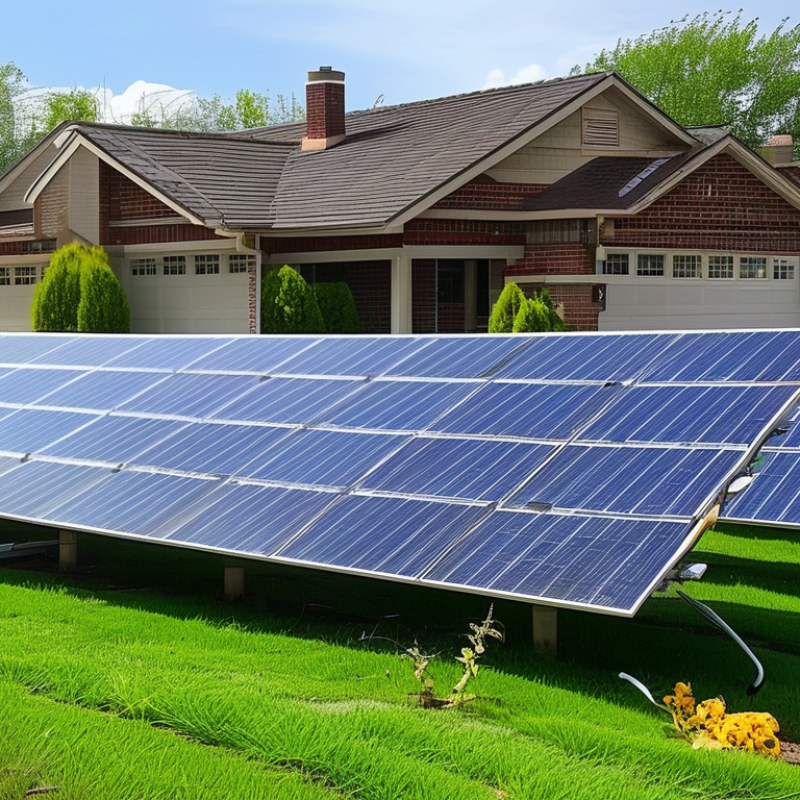
Home solar systems can significantly lower electricity bills. A U.S. Energy Information Administration report highlights that homes with solar installations save an average of $10,000 over 20 years. The cost of solar panels has dropped over 70% in the last decade, making them more accessible than ever. Adopting solar energy reduces reliance on grid power. This helps homeowners manage expenses better, especially as energy prices fluctuate.
Consider your energy usage patterns. Shifting energy-intensive activities to daylight hours maximizes solar benefits. This approach allows homeowners to use more solar-generated electricity directly. Reports show that 90% of solar users make the most of their systems by adapting their habits.
Installations can yield significant long-term returns, even if the initial investment feels daunting. Payments often feel overwhelming initially. Yet, many states offer incentives and tax rebates, alleviating some financial strain. An estimated 63% of solar panel owners see a positive return on investment within five to ten years. It's not just about the present money saved; it’s a commitment to sustainable savings.
Home solar systems operate by converting sunlight into electricity. This process utilizes photovoltaic (PV) cells, which capture sunlight and transform it into usable energy. When sunlight hits the PV cells, electrons are knocked loose, creating an electric current. This energy can power your home directly or be stored for later use. Understanding this basic principle helps homeowners appreciate the technology behind solar energy.
One significant advantage of home solar systems is their ability to reduce electricity bills. By generating your own power, you become less reliant on your utility provider. This shift can lead to substantial savings over time. However, installation costs can be high, and the initial investment may seem daunting. Many homeowners worry about how long it will take for the system to pay for itself. Research shows that tax incentives can help offset these costs, making solar energy more accessible.
Maintenance of solar panels is another area that requires careful consideration. Regular cleaning and inspections ensure they operate efficiently. While solar panels are durable, they're not immune to wear and tear. Homeowners must be proactive in managing their systems. Embracing solar energy is a journey that requires thought and commitment.
Installing a home solar system can significantly reduce electricity bills. However, its effectiveness hinges on several key factors. The location of your home plays a major role. Regions with abundant sunlight will yield better results. On the other hand, homes in shaded areas might not benefit as much. Outside influences, like nearby buildings and trees, should also be considered.
The orientation and angle of solar panels are crucial. Ideally, they should face south and be tilted at an angle that captures maximum sunlight throughout the day. Proper installation is essential for optimizing energy production. Moreover, local weather patterns can affect energy savings. Cloudy days can reduce efficiency, impacting overall benefits.
Finally, the quality and technology of the solar system matter. Not all solar panels are created equal. Some might offer better efficiency than others. Regular maintenance is also a factor that can’t be overlooked. Dust and debris can block sunlight and diminish productivity. Taking time to ensure everything works well can lead to more significant savings. While solar systems can offer wonderful benefits, individual circumstances must be carefully assessed for the best results.
| Factor | Description | Impact on Savings (%) | Notes |
|---|---|---|---|
| Solar Panel Efficiency | The efficiency rate of the solar panels used. | 15-25% | Higher efficiency reduces the area needed for installation. |
| Local Climate | The amount of sunlight a location receives throughout the year. | 10-40% | Areas with more sun increase overall savings. |
| Installation Angle | The angle at which solar panels are installed affects their performance. | 5-15% | Optimal angles maximize sunlight capture. |
| Energy Usage Patterns | How and when energy is consumed in the home. | 20-60% | Using energy during peak sunlight hours enhances savings. |
| System Size | The total capacity of the solar energy system. | 30-70% | Larger systems generally provide more savings. |
Home solar systems are becoming a popular choice for lowering electricity bills. A significant advantage is the savings over time. Solar energy reduces reliance on traditional energy sources. This can lead to a drastic cut in monthly utility costs. When comparing expenses, consider installation costs, maintenance, and average energy prices.
Investing in solar technology often pays off quickly. Many homeowners report saving thousands on energy bills within the first few years. The long-term benefits are compelling. Solar systems not only decrease monthly expenses but also increase home value. Some studies show that homes with solar installations sell for more.
Tip: Evaluate your local solar incentives. These can significantly lower upfront costs. Knowledge of state tax credits or rebates is crucial. Another tip is to monitor your energy usage. Understanding patterns can help maximize savings with solar systems. Most importantly, assess your roof's solar potential. Suboptimal conditions can affect performance. Always consult an expert to explore the best options available.
Government incentives for solar system installation have become increasingly vital. According to the Solar Energy Industries Association, the U.S. installed 5.7 gigawatts of solar capacity in the first quarter of 2023 alone. This surge is largely driven by incentives, which lower upfront costs. Federal tax credits, like the Investment Tax Credit, cover a significant portion of installation expenses.
State programs also contribute. Many states offer additional rebates, sometimes reducing costs by 30% or more. For instance, California's Solar Initiative provided funding for thousands of residential installations. Homeowners saved an average of $7,000 in the past year. Such incentives not only boost adoption but empower consumers to make greener choices.
Despite these benefits, challenges remain. Some homeowners may find navigating the incentive landscape overwhelming. Others might grapple with the initial cost of solar panels before receiving rebates. Data from the National Renewable Energy Laboratory indicates that awareness and understanding of these programs can significantly affect participation. Overcoming these hurdles is essential for broader acceptance of solar technology.
: Sunlight availability is key. Homes with ample sunlight benefit the most. Shaded areas may see limited results.
Solar panels should ideally face south. The angle should capture sunlight throughout the day.
Yes, they can create shade. This can reduce the system's performance and efficiency.
Cloudy days can significantly lower energy production. Weather patterns are important to consider.
Correct installation maximizes energy output. Poorly installed panels may not perform well.
Regular cleaning is necessary. Dust and debris can block sunlight and reduce efficiency.
No, some panels offer higher efficiency than others. Quality and technology play a crucial role.
Look for local incentives and tax credits. These can greatly reduce initial costs.
Yes, homes with solar installations often sell for more. This adds long-term financial benefits.
Absolutely. Understanding usage patterns helps maximize savings. It's crucial for efficiency.
Home solar systems offer a sustainable solution for homeowners looking to lower their electricity bills. By harnessing solar energy, these systems not only provide a renewable power source but also create significant savings on energy costs. Understanding how to reduce electricity bills using home solar systems involves recognizing the technology behind their operation, including the conversion of sunlight into electricity and the potential savings on monthly utility expenses.
Moreover, the effectiveness of these savings can be influenced by various factors such as location, local electricity rates, and the size of the solar installation. When comparing long-term savings, solar energy systems often prove more cost-effective than traditional energy sources. Additionally, government incentives and rebates can further enhance the financial benefits of installing solar systems, making them an appealing option for reducing overall energy expenditures.

PlugVolt Charging