Why Does Battery Storage Capacity Decrease Over Time 7 Tips?

Time:2026-09-26 Author:Liam
0%

A home battery can quietly lose usable energy, even when it still charges and powers appliances. A system that once carried evening lights and a refrigerator may now need grid support before morning. That change matters. Understanding why does battery storage capacity decrease over time starts with two kinds of aging: cycles, as energy moves in and out, and calendar aging, which continues even when the battery sits unused. Heat, long periods at a full charge, deep discharges, and frequent high-power charging can speed the process. Their effects vary by chemistry, design, and use.

A falling capacity reading does not always mean the cells have suddenly failed. Temperature, inverter settings, and the battery management system’s estimate can affect the displayed usable energy. It is tempting to blame one habit, but real-world wear usually has several causes. And the estimate can be imperfect. The seven tips ahead focus on practical steps: checking manufacturer guidance, avoiding unnecessary heat, choosing sensible charge limits, and tracking performance over time. They cannot stop aging or guarantee a specific lifespan. They can help owners spot unusual changes, make informed settings choices, and avoid treating every small drop as a fault. If capacity falls sharply, warning lights appear, or performance changes unexpectedly, consult a qualified installer or the manufacturer rather than opening the unit. A little attention helps. So does keeping realistic expectations.
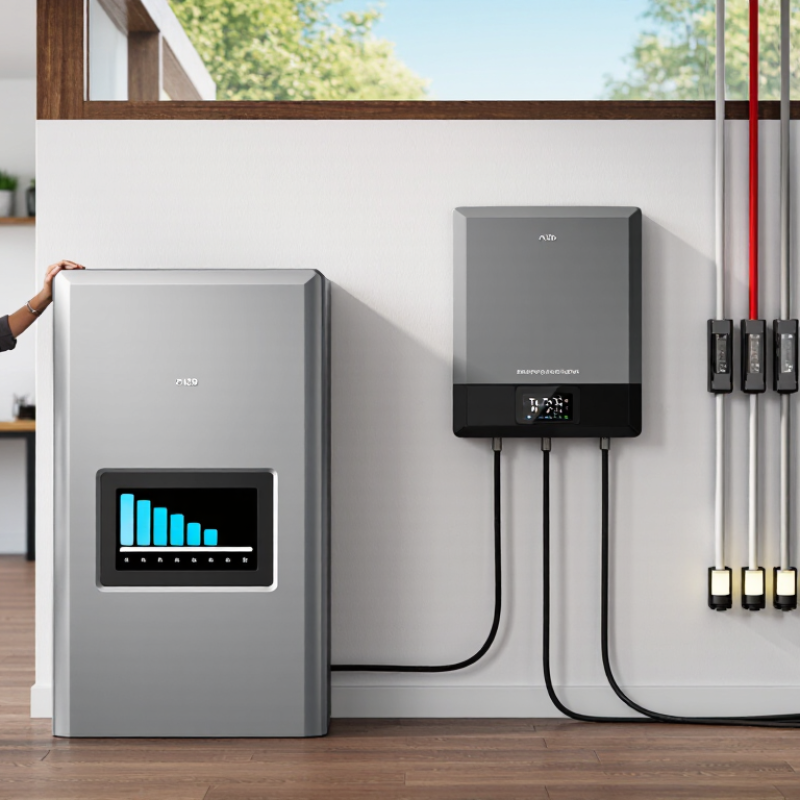
Why Does Battery Storage Capacity Decrease Over Time 7 Tips?

How Battery Storage Capacity Changes During Normal Use

Battery storage capacity changes through both gradual ageing and short-term operating conditions. Each charge and discharge adds a little wear, especially when the battery repeatedly moves between very low and very high charge levels. Heat can speed up chemical ageing, while cold weather may temporarily reduce the energy available. That dip does not always mean permanent damage. Some systems also reserve energy that users cannot access, so the displayed capacity may differ from the battery’s full physical capacity.

Daily habits can help slow avoidable wear. Follow the system’s charging guidance, and use a lower charge limit when it is supported and suits your needs. Avoid leaving the battery fully charged in a hot garage for long periods. Keep vents clear, and check that the unit is not exposed to direct afternoon sun. In freezing conditions, follow the manufacturer’s instructions before charging. Try not to drain the battery to its limit every day; keep a modest reserve if practical. Review capacity over several weeks rather than reacting to one cold morning’s reading. It is easy to overread a single number. Even careful use cannot stop ageing, and real-world capacity may not decline evenly.

What Chemical and Physical Processes Reduce Battery Capacity

Battery capacity declines as internal chemistry and structure change during storage and use. In lithium-ion cells, a solid-electrolyte interphase gradually grows on the anode, consuming lithium that could otherwise store energy. High temperatures accelerate these side reactions. Keeping a cell fully charged for long periods can also increase chemical stress. During cold, high-rate charging, lithium may plate onto the anode instead of entering its structure. Repeated swelling and shrinking can crack electrode particles or weaken electrical contact. Some damage is irreversible. The exact mix depends on cell design and use.

Field data illustrates the variation. Geotab’s 2024 analysis of more than 10,000 electric vehicles found average battery degradation of about 1.8% per year. Frequent high-power charging and hot climates were associated with faster degradation. This is fleet evidence, not a guaranteed rate for home or grid storage. It varies.

Tips: Keep batteries within the temperature range recommended by their manufacturer. Avoid leaving them fully charged for extended periods when practical. Use moderate charging rates in cold conditions, and monitor capacity trends rather than judging health from one reading. A small capacity drop may be normal; sudden changes deserve investigation.

Why Does Battery Storage Capacity Decrease Over Time? Chemical and Physical Processes—and 7 Tips

How to read this chart: Capacity retention is the battery’s remaining capacity as a percentage of its starting capacity. The curves are illustrative examples, not measured results or a lifespan guarantee; actual aging varies with cell chemistry, design, temperature, charging, and use.

Why capacity fades: Side reactions grow the solid-electrolyte interphase (SEI) and consume cyclable lithium; active electrode material can crack or become isolated; and, under some conditions, lithium plating can occur. Heat and high state of charge can accelerate aging.

7 ways to slow capacity loss:

  1. Avoid prolonged exposure to high temperatures.
  2. Use a moderate charge limit when full capacity is not needed.
  3. Avoid leaving the battery fully charged for long periods.
  4. Prevent frequent deep discharges where practical.
  5. Use a charger and charging rate recommended for the device.
  6. Keep batteries away from extreme cold during charging.
  7. For long-term storage, follow the manufacturer’s guidance; a cool, partly charged state is commonly recommended for lithium-ion batteries.

Which Operating Conditions Accelerate Battery Capacity Loss

Battery capacity does not fade at one steady rate. Heat is a major accelerant: a battery kept in a hot garage or sunlit enclosure ages faster than one operating within its recommended temperature range. High charge levels add stress, too. Leaving a system near full charge for long periods can increase wear, especially when temperatures are elevated. Check the manufacturer’s operating guidance; ideal limits vary by chemistry and design.

Deep discharges and frequent full cycles can also shorten service life. So can repeated high-power charging or discharging, which creates extra heat inside the cells. Cold charging is risky. For lithium-ion systems, charging below the specified temperature range may cause lithium plating and lasting damage. Poor airflow or uneven temperatures across a battery pack can make the problem worse. Small details add up.

Use temperature controls where available, avoid unnecessary extremes of charge, and match power demand to the system’s rating. Keep vents clear, and review operating logs for unusual heat or repeated low-charge events. Capacity readings can fluctuate with temperature and measurement methods, so one low reading does not prove permanent loss. It is easy to blame age alone; operating history matters, though it can be imperfectly recorded.

How to Recognize and Measure Battery Capacity Decline

Battery capacity decline is best judged by delivered energy, not by the charge percentage alone. A battery may show 100% yet power a device for less time than it used to. Track runtime during a familiar task, such as running the same lamp at the same brightness. Note the date, temperature, and workload. Small changes count.

For a clearer estimate, compare usable watt-hours with the battery’s original rated capacity. Use the device’s monitoring screen if it reports energy delivered; otherwise, a qualified technician can test it with suitable equipment. Repeat measurements under similar conditions. Cold weather, heavy loads, and background use can shorten runtime without proving permanent capacity loss. Charging time is another clue, but it can mislead because charging slows near full. One reading can fool you. I would not treat it as proof.

Look for several signs together: shorter runtime, a steeper percentage drop under load, or more frequent charging. Check whether the battery gets unusually warm, swells, or behaves erratically; stop using it and seek professional assessment if you notice these changes. Keep a simple log of capacity estimates and usage conditions. Compare results with the manufacturer’s stated measurement method, since estimates from different devices may not match. Batteries age unevenly, and a neat downward trend is not guaranteed. That part is frustrating.

Seven Practical Tips to Slow Battery Capacity Loss

Battery capacity declines as cells age, especially when exposed to heat, long periods at full charge, and frequent deep cycling. NREL’s 2024 Annual Technology Baseline models utility-scale lithium-ion storage with a 15-year service life. That is a planning assumption, not a promise for every battery. Small habits matter.

Tip: Keep the battery within its recommended temperature range, and avoid placing it in direct afternoon sun. Tip: Use a moderate charge limit for everyday use if your system allows it; an 80% ceiling is not right for every battery. Tip: Avoid repeated full-to-empty cycles when partial charging meets your needs. A shallow cycle is often gentler.

Tip: Use the charging rate recommended by the manufacturer, rather than fast charging by default. Tip: If storing the battery, follow its storage-charge guidance and check it periodically. Tip: Monitor capacity and temperature readings; a sudden change deserves professional inspection. Tip: Keep battery-management software current and arrange qualified maintenance. Records help. One practical detail is easy to miss: capacity estimates can fluctuate with temperature and measurement conditions, so a single low reading may not prove lasting damage. Sources: NREL, 2024 Annual Technology Baseline, Battery Storage.

Why Does Battery Storage Capacity Decrease Over Time? 7 Practical Tips to Slow Battery Capacity Loss

Tip Why Battery Capacity Declines Practical Action What to Monitor
1. Keep the battery away from excessive heat High temperatures accelerate chemical side reactions inside lithium-ion cells, contributing to gradual loss of usable capacity. Store and operate the battery in a cool, well-ventilated place. Keep it out of direct sunlight and away from heaters or hot enclosures. Check the battery’s temperature limits and ventilation requirements in its user manual.
2. Avoid leaving it fully charged for long periods Prolonged storage at a high state of charge can increase stress on many lithium-ion chemistries and speed up calendar aging. When convenient, avoid keeping the battery at 100% for extended periods. Use a charge limit or storage mode if the system provides one. Look for charge-limit and storage-mode settings; follow the manufacturer’s recommendations.
3. Use moderate charge levels for everyday operation Regularly holding a battery near either end of its charge range can add stress, although the effect varies by chemistry and system design. For many lithium-ion applications, a middle-of-the-range charge level is suitable for routine use when full capacity is not needed. Use the system’s state-of-charge display, and prioritize the specified operating range over general rules of thumb.
4. Limit unnecessary deep discharges Repeatedly using nearly all available charge can increase cycle-related wear. A battery’s control system may reserve some capacity to help protect it. Recharge before the battery regularly reaches its low-charge cutoff, when practical. Do not bypass built-in protection limits. Track how often the battery reaches its low-charge warning or cutoff.
5. Use fast charging only when it is useful Fast charging can generate more heat and may increase cell stress, particularly when the battery is hot or charging conditions are unsuitable. Choose a slower charging rate when time allows, and avoid charging outside the temperature range specified for the battery. Check charging-rate and temperature guidance in the product manual; the impact depends on the battery and its controls.
6. Store an unused battery at a partial charge Leaving a battery fully charged or deeply discharged during long-term storage can contribute to aging or, in some cases, over-discharge. For extended storage, use the partial-charge level recommended by the manufacturer. Keep the battery in a dry, temperature-controlled location and check it periodically. Consult the manual for storage charge level, inspection interval, and any required maintenance charging.
7. Use the battery management system and follow its guidance Cell imbalance, operation beyond safe limits, and unmanaged temperature can affect performance and usable capacity over time. Keep the battery’s monitoring or management system enabled, install recommended updates where applicable, and respond to alerts rather than overriding them. Review temperature, state of charge, warnings, and capacity trends using the system’s built-in display or monitoring tools.

Note: Capacity loss is a normal result of both calendar aging and charge-discharge cycling. Its rate depends on battery chemistry, design, temperature, charging habits, and operating conditions. These tips can help reduce avoidable stress, but they cannot stop aging; always follow the battery manufacturer’s instructions.

FAQS

Why does battery capacity decline over time?

Charging and discharging gradually wear internal materials. Heat and long periods at full charge can speed this process. Ageing is unavoidable.

Can cold weather reduce battery capacity?

Yes. Cold can temporarily reduce available energy and shorten runtime. That does not always mean permanent damage.

What habits may help slow capacity loss?

Avoid deep draining every day, and keep a modest reserve when practical. Keep vents clear and limit direct afternoon sun. Small steps help.

Does a 100% charge mean the battery still has its original capacity?

No. The percentage shows charge level, not necessarily how much energy the battery can store or deliver.

How can I check for capacity decline?

Track runtime during the same task, such as running one lamp at the same brightness. Note the date, temperature, and workload.

Can one low capacity reading prove permanent damage?

No. Cold, heavy loads, or background use can affect a reading. Compare results over several weeks. One number can fool you.

What signs should prompt a professional check?

Seek assessment if the battery swells, gets unusually warm, behaves erratically, or loses charge sharply under load. Stop using it if these signs appear.

Does capacity decline at the same rate for every battery?

No. Cell design, temperature, and use all matter. Capacity may fall unevenly, which makes neat predictions difficult. That part is frustrating.

Conclusion

Battery storage capacity naturally decreases as a battery is used and ages. Over time, chemical reactions inside its cells can reduce the amount of energy they store, while physical changes may limit how effectively ions move between the electrodes. High temperatures, frequent deep discharges, prolonged storage at a full or empty state of charge, and repeated high-power charging can accelerate these changes. Understanding why does battery storage capacity decrease over time helps users distinguish normal aging from a problem that may need attention.

Capacity decline can be recognized through shorter operating times, reduced energy output, or changes in charging behavior. Tracking how long a battery runs under similar conditions and comparing measured capacity over time can provide a clearer picture of its health. To slow capacity loss, avoid excessive heat, use moderate charging and discharging where practical, prevent frequent full depletion, avoid leaving the battery fully charged for long periods, store it with a partial charge, use suitable charging equipment, and check its condition regularly. These habits cannot stop aging, but they can help preserve usable capacity for longer.

Liam

Liam

Liam is a dedicated marketing professional with a profound expertise in the industry, where he excels at highlighting the unique advantages of our core products. With a keen understanding of market trends and consumer needs, Liam frequently updates our company’s professional blog, providing......