Why Is My Solar System Not Storing Enough Energy?

Time:2026-04-29 Author:Madeline
0%

Understanding the challenges of solar energy storage is crucial for homeowners. Many people wonder, "why is my solar system not storing enough energy?" According to energy expert Dr. Emily Carter, “Insufficient storage can stem from various factors, including battery technology and system design.” These factors can significantly impact efficiency.

Solar systems rely on effective storage solutions. Poor battery management, shading issues, and inappropriate system sizing can hinder energy capture. Homeowners must reflect on their usage patterns. Are you drawing power during peak sunlight? What does your energy consumption look like at night? Addressing these questions can reveal underlying problems.

Moreover, technology is continually evolving. Adapting to changes can enhance storage capabilities. Regular system maintenance is also essential. Aging components can contribute to energy loss. Understanding these elements helps answer the critical question, "why is my solar system not storing enough energy?
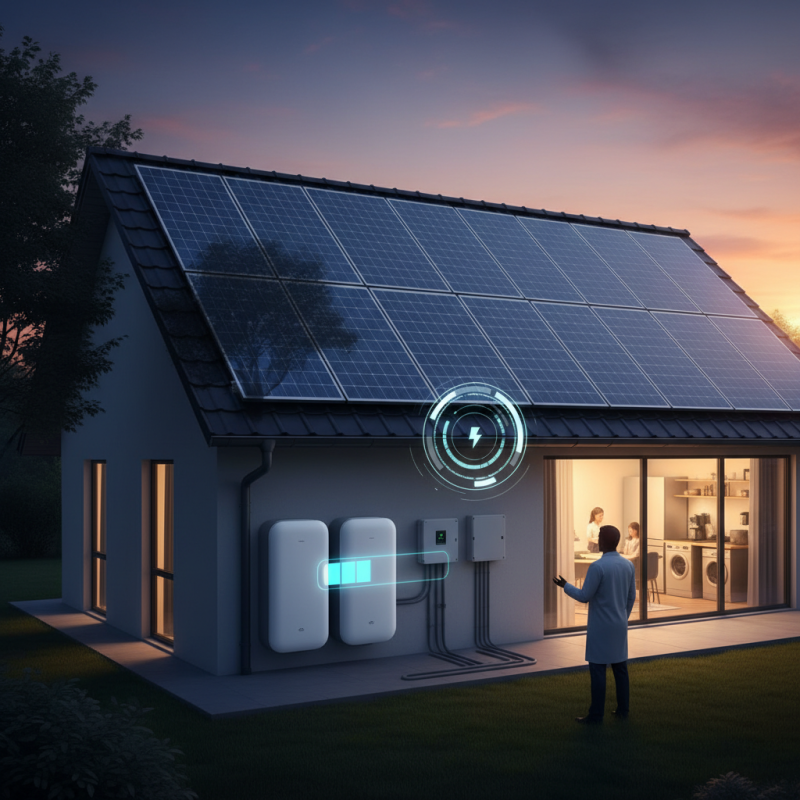
Why Is My Solar System Not Storing Enough Energy?

Common Reasons for Insufficient Energy Storage in Solar Systems

When it comes to solar energy systems, there can be several reasons for insufficient energy storage. One major issue is battery capacity. If your batteries are too small, they won’t hold enough energy for your needs. This often leads to frequent power shortages, especially during peak usage times. If you frequently run out of stored energy, it may be time to reconsider your battery size.

Another common reason is the rate of energy generation. Cloudy days or shading from nearby trees can significantly reduce solar power output. If your system is not generating enough energy, your batteries will not charge fully. This leads to a cycle of low energy availability. Regular maintenance can help identify such issues. Cleaning your solar panels and trimming overgrown vegetation might improve performance.

Lastly, improper installation could be a factor. If the wiring is not optimized, energy loss can occur. Batteries need to be correctly connected and configured to function efficiently. An optimal setup ensures that energy flows smoothly from the solar panels to the batteries. Any oversight can lead to insufficient storage, forcing you to seek alternatives when your system fails to deliver. Attention to detail in installation is key.

Understanding Solar Battery Capacity and Performance Limitations

Solar battery systems often struggle to meet energy storage expectations. Understanding battery capacity and performance limitations is crucial. Many home solar systems utilize lithium-ion batteries due to their efficiency. However, studies indicate that capacity can degrade over time. Reports show a 20% reduction in charging capacity after 10 years of use.

Temperature fluctuations can impact performance. Extreme heat can shorten a battery’s lifespan, while cold can reduce its efficiency. A study by the National Renewable Energy Laboratory suggests that maintaining a stable operating temperature is essential for optimal storage and longevity.

Tips: Regularly monitor your battery performance. Keep an eye on temperature and charging cycles. Consider a battery management system for better efficiency. If performance dips, reassess the system’s configuration. Upgrading to higher-capacity batteries may also enhance energy retention during peak consumption periods.

Impact of Weather Conditions on Solar Energy Generation

Weather conditions play a critical role in solar energy generation. Factors like cloud cover, rain, and snow can reduce energy production significantly. On cloudy days, solar panels receive less sunlight, leading to lower efficiency. Even a thin layer of clouds can block a considerable amount of sunlight. This can result in only a fraction of the expected energy being produced.

Temperature also affects solar panels. High temperatures can reduce their efficiency, while cold weather might not impact performance as much. Unexpected weather shifts, such as sudden storms, can disrupt energy storage. Many homeowners might observe their systems underperforming during extended rainy periods. This is not just a nuisance but a significant concern for energy reliability.

Monitoring weather forecasts can help manage expectations. Regular maintenance of solar panels is essential too. Dust and debris can diminish their ability to capture sunlight. Reflecting on these factors is crucial for maximizing energy storage efficiency. Small adjustments can lead to improved performance, even in challenging weather.

Assessing the Efficiency of Solar Panels and Inverters

When evaluating the efficiency of solar panels and inverters, one must consider several key factors. For solar panels, the conversion rate of sunlight to energy is crucial. If your panels are not optimized for sunlight exposure, they may underperform. Checking their orientation and tilt can make a difference in energy production.

Inverters also play a vital role in energy storage. They convert direct current (DC) from solar panels into alternating current (AC) for home use. If your inverter is outdated or improperly sized, it can limit efficiency. Regular maintenance is essential to keep it functioning optimally. Ensure software updates are applied to improve performance.

Tips:

  • Regularly clean your solar panels. Debris can block sunlight.
  • Monitor your inverter for operational alerts. Identifying issues early can prevent energy loss.
  • Understanding shading patterns around your home can also help improve overall efficiency.

Maintenance Tips for Optimal Solar System Performance

Maintaining your solar system is crucial for optimal performance and energy storage. Regular cleaning of your solar panels can make a significant difference. Dust, leaves, and debris accumulate on the panels over time. A dirty surface can reduce energy absorption. Ideally, check your panels every few months. Use a soft brush or cloth to remove grime. This simple task can enhance efficiency.


Another important aspect is monitoring your battery health. If your solar system includes batteries, check their charge cycles. Batteries should not be overcharged or deeply discharged. This can shorten their lifespan. Consider using battery management software. It can help track performance and alert you to issues. Regularly inspect terminals for corrosion. Ensuring clean connections enhances energy flow.


Furthermore, be aware of the system's shading. Trees or buildings may block sunlight at different times of the year. Adjusting the landscape can improve exposure. Look for changes in energy production visibly. If you notice a drop, it might be time for an inspection. Not addressing these issues can lead to diminished performance over time. Each small detail contributes to the overall service life of your solar system.

FAQS

: What factors affect solar panel efficiency?

: Key factors include sunlight conversion rate, orientation, and tilt of the panels.

How often should solar panels be cleaned?

Ideally, check and clean them every few months to remove dust and debris.

Why is inverter maintenance important?

An outdated or incorrectly sized inverter can limit energy efficiency and performance.

What can happen if batteries are overcharged?

Overcharging can shorten the lifespan of the batteries in the solar system.

How can shading impact solar panel performance?

Trees or buildings blocking sunlight can lead to decreased energy production over time.

What should I do if I notice a drop in energy production?

Consider inspecting your system for shading issues or other operational problems.

How can I monitor battery health effectively?

Use battery management software to track performance and receive alerts for issues.

Can software updates improve inverter performance?

Yes, applying software updates helps maintain optimal inverter functionality.

What signs indicate my panels may need cleaning?

A visible layer of grime or significant dust buildup can reduce absorption efficiency.

Why is regular maintenance crucial for solar systems?

Regular maintenance ensures optimal performance and can prevent long-term inefficiencies.

Conclusion

In addressing the question of "why is my solar system not storing enough energy," several key factors come into play. Common reasons for insufficient energy storage often include the limitations in solar battery capacity and performance. Understanding how these batteries work and their inherent constraints can help users troubleshoot their systems effectively. Additionally, weather conditions significantly impact solar energy generation; cloudy days or extended periods of rain can reduce the amount of energy harvested.

Furthermore, the efficiency of solar panels and inverters is crucial. Suboptimal performance can lead to decreased energy conversion rates, affecting overall storage potential. Regular maintenance is essential to ensure that the solar system operates at its peak efficiency, thus enhancing energy storage capabilities. By evaluating these aspects, solar system owners can identify and rectify issues, ultimately improving their energy retention and utilization.

Madeline

Madeline

Madeline is a dedicated marketing professional with a wealth of expertise in our company's core offerings. With a keen understanding of the industry, she brings a unique perspective to her role, consistently delivering high-quality content that highlights the superior aspects of our products. As......