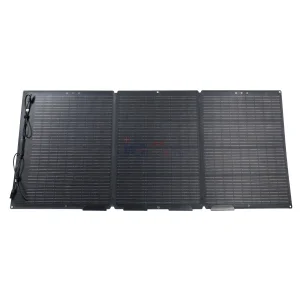
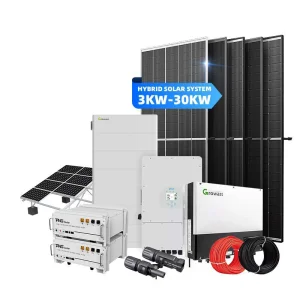
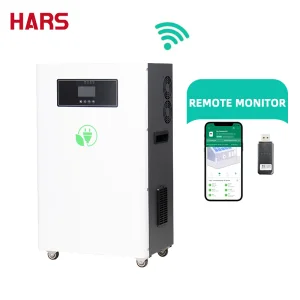
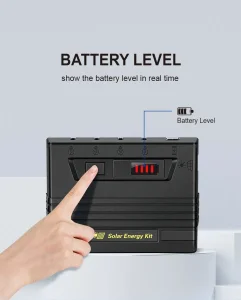
Explore our cutting-edge monocrystalline chargers, hybrid inverter integrations, and modular home battery systems built to global engineering standards.
Analyzing BESS market dynamics, local regulatory shifts, and technical compliance parameters for global B2B procurement heads.
The global trajectory toward zero-emission energy infrastructure is no longer defined by simple installations of solar photovoltaic (PV) modules; it relies extensively on Battery Energy Storage Systems (BESS) and localized grid orchestration. As feed-in tariffs (FiTs) decline and dynamic power pricing models proliferate across European and North American grids, the commercial viability of solar hinges on self-consumption optimization and load-shifting resilience. This shift has altered procurement paradigms. B2B buyers, EPC contractors, and distribution networks are moving away from off-the-shelf kits, looking instead to OEM/ODM factories capable of engineering systems suited to unique national regulatory environments.
From an engineering standpoint, industrial and residential solar solutions must withstand localized voltage fluctuations, meet strict electrical-safety standards (such as Germany’s VDE-AR-N 4105, or UL 9540A in the United States), and seamlessly interface with varying communication protocols. As global manufacturing partners, OEM/ODM innovators are tasked with delivering deep hardware-firmware customization. This ensures that the cell chemistries, modular structures, and intelligent battery management systems (BMS) perform reliably over thousands of charge-discharge cycles, reducing the total Levelized Cost of Storage (LCOS) for the end-user.
Navigating different grid codes is crucial. Custom inverter integrations and BMS firmware options ensure compliance with EU directives, UL certifications, and specific local safety codes.
By leveraging tier-one cell procurement, highly automated production lines, and robust thermal engineering, our ODM processes aim to lower the lifetime cost per stored kilowatt-hour.
We tailor hardware forms, protocols (CAN/RS485/Modbus), and diagnostic setups to match various inverters, optimizing communication between modules.
Empowering Global Partners with Highly Optimized Residential Energy Storage and Advanced Backup Power Solutions.
Shenzhen PlugVolt Charging Co., Ltd. is a professional manufacturer and global supplier specializing in home energy storage battery systems and residential solar storage solutions. The company focuses on the research, development, production, and integration of advanced lithium battery technologies designed for modern energy management, backup power, and renewable solar applications.
With a strong commitment to innovation and sustainability, PlugVolt Charging delivers high-performance energy storage systems that support residential solar setups, balcony solar systems, and off-grid power solutions. Its product portfolio includes modular battery storage units, intelligent battery management systems (BMS), hybrid inverter-compatible storage solutions, and emergency backup power systems designed for reliable and efficient energy utilization.
Shenzhen PlugVolt Charging Co., Ltd. emphasizes safety, stability, and long service life. All systems are manufactured under strict quality control standards and comply with international certifications such as CE, UN38.3, and ISO requirements. The company ensures that every energy storage solution offers high energy density, fast charging capability, and intelligent power optimization.
In addition to standard products, PlugVolt provides OEM and ODM customization services to meet diverse project requirements for residential, commercial, and small-scale industrial energy storage applications. Its solutions are widely used in Europe, Asia, Africa, and the Americas, supporting the global transition toward clean and renewable energy.
By combining advanced battery technology with smart energy management systems, Shenzhen PlugVolt Charging Co., Ltd. is committed to becoming a trusted global partner in residential energy storage and solar backup power solutions, empowering users with safer, greener, and more efficient electricity independence.
Life Cycles @80% DoD
Automated Cell Grading
Certified Production
Exporting Destinations
Uncovering the infrastructure capabilities, material integration, and high-efficiency production lines that enable cost-competitive OEM/ODM output.
The concentration of advanced lithium-ion and PV component manufacturing in China’s industrial hubs (specifically Shenzhen and the wider Guangdong region) provides an unparalleled logistical and engineering advantage. Unlike isolated assembly plants, Chinese manufacturers operate within a highly integrated ecosystem. Everything from the extraction and refining of precursor materials to cell fabrication, precision metalwork, BMS surface mounting (SMT), and testing facilities is located within tight industrial clusters. This reduces supply chain friction, allows for rapid prototyping, and significantly lowers lead times for custom product iterations.
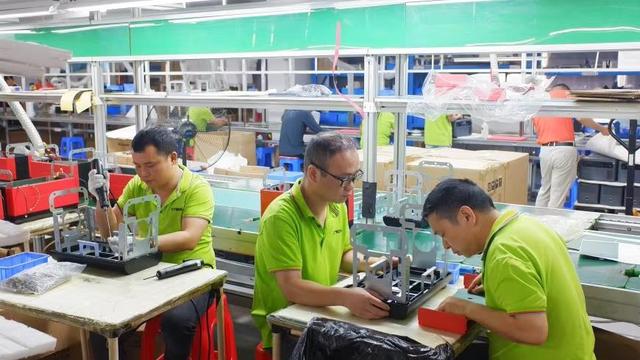
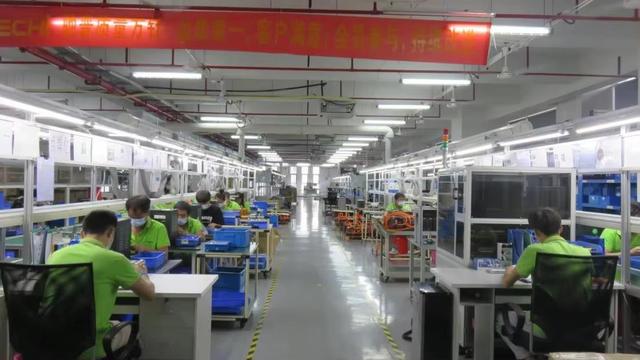
Shenzhen PlugVolt Charging Co., Ltd. capitalizes on this geographic and structural efficiency by implementing strict quality control systems that bridge the gap between initial raw components and finished BESS products. Our production processes utilize automated cell-capacity sorting, laser-welding configurations, and multi-tier computerized aging tests. This ensures that every battery pack matches the design specifications. For global B2B procurers, this translation of ecosystem capability into high-yield, cost-optimized products means reduced capital expenditure and stable product performance over years of field operations.
Every individual cell undergoes capacity, resistance, and voltage grading to minimize deviations, which helps prevent early modular pack degradation.
Our safety protocols cover CE, UN38.3, and ISO benchmarks. We verify fire suppression systems, thermal behavior, and transport durability before shipment.
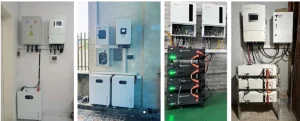
We provide full hardware customization—ranging from industrial server racks and wheeled mobile units to wall-mounted residential systems—tailored to client brands.
How modern solar systems and storage technologies adapt to diverse residential, commercial, and utility profiles globally.
One-size-fits-all energy systems often struggle to meet the realities of local grid regulations, environmental factors, and user consumption habits. In regions like Central and Western Europe, the rise of balcony PV configurations (typically restricted to 600W or 800W inverter thresholds) requires compact, plug-and-play micro-storage units. These systems must be simple to install and have weather-resistant casings (IP65+) to handle outdoor exposures on apartment balconies. Alternatively, residential installations in North America or Australia frequently call for high-capacity, whole-home backup power (10kW to 20kW output) with split-phase capability to support heavy appliances during grid outages.
In off-grid and rural markets, such as parts of Africa, South Asia, and the Americas, durability and cost-efficiency are critical. These systems rely on robust solar battery setups to replace expensive, polluting diesel generators. For these applications, batteries must tolerate wider temperature ranges and feature passive thermal cooling to minimize maintenance needs. By adjusting BMS settings, thermal enclosures, and power distribution systems, OEM/ODM partners can supply storage units optimized for their target environments.
Specifically engineered for apartment configurations, matching micro-inverter outputs with compact, easy-to-install battery modules for urban settings.
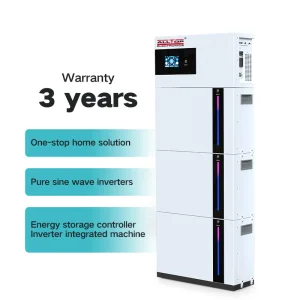
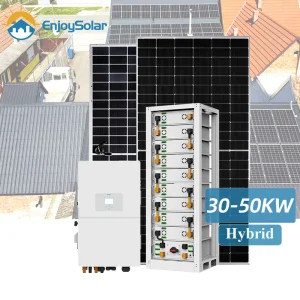
Modular, stackable systems (e.g., 5kW/10kWh up to 30kWh configurations) with high peak output capacities to handle residential loads during grid failures.
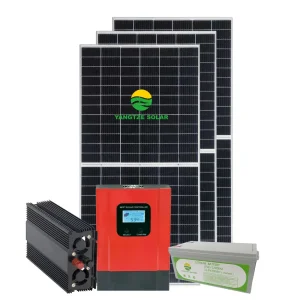
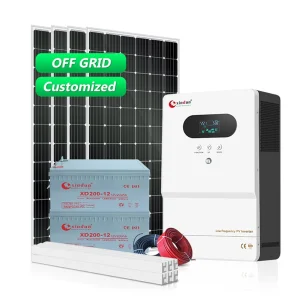
Highly durable, cost-optimized setups with high tolerance for heat, designed to replace generators in regions with limited grid access.
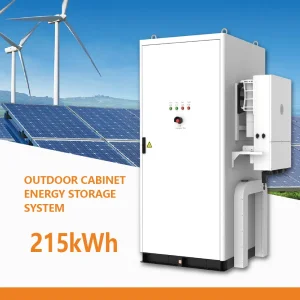
Larger scale cabinets (50kW to 125kW+) designed for factories and businesses to lower demand charges and stabilize local supply networks.
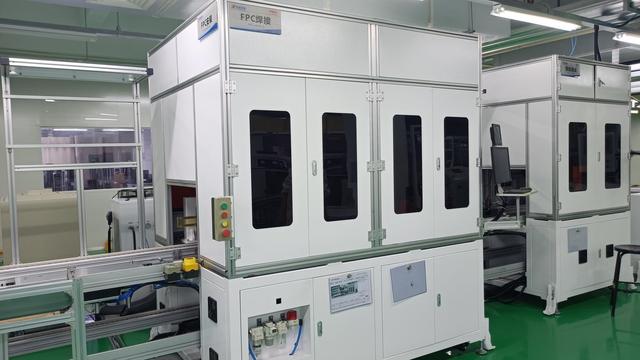
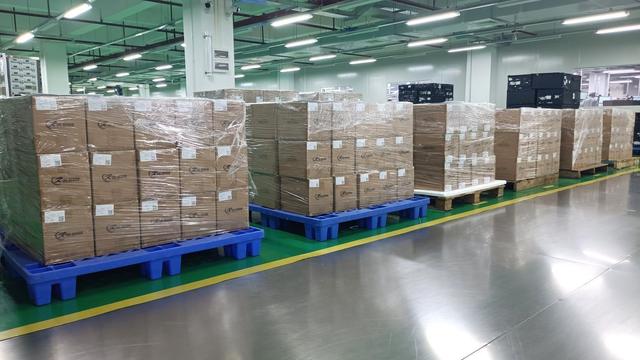
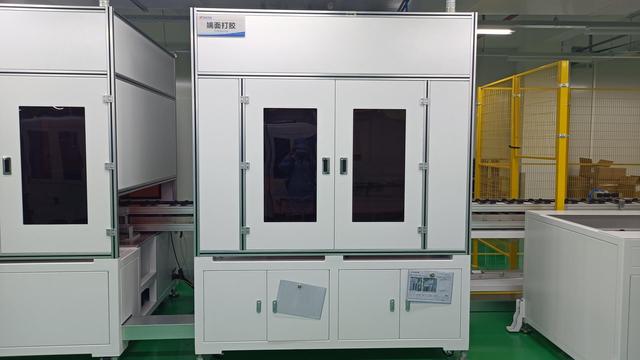
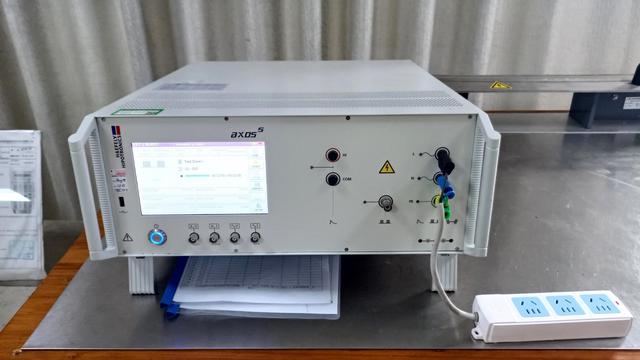
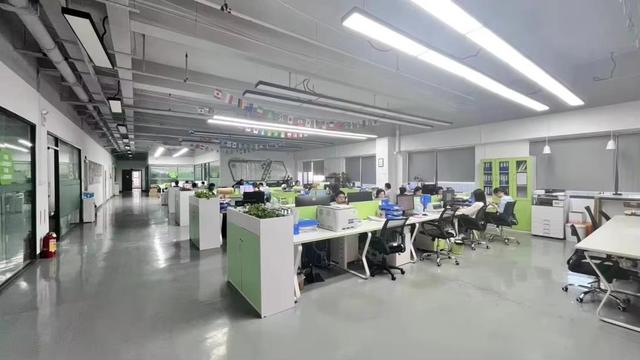
A closer look at our ISO-compliant manufacturing lines, testing chambers, assembly stations, and safety validation setups.
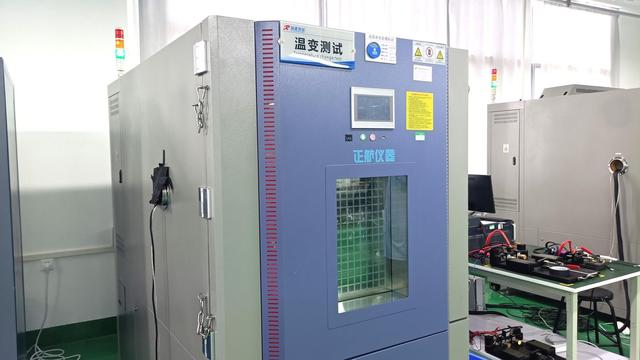
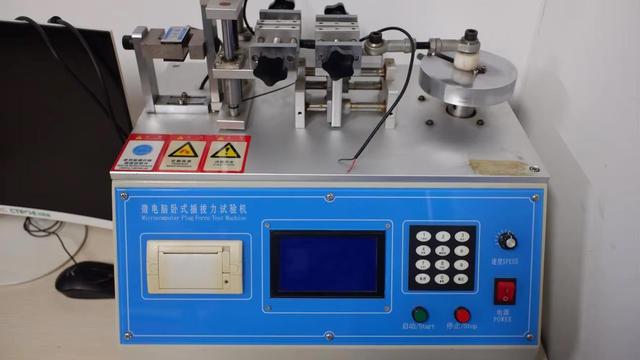
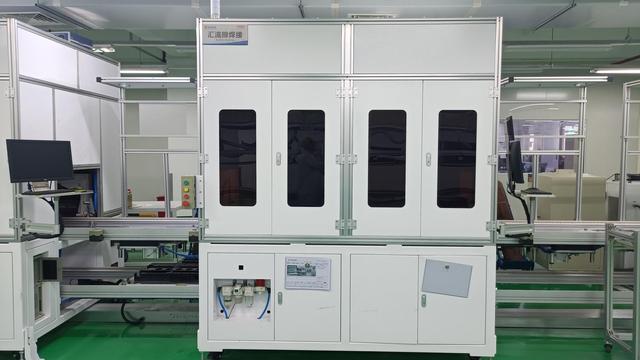
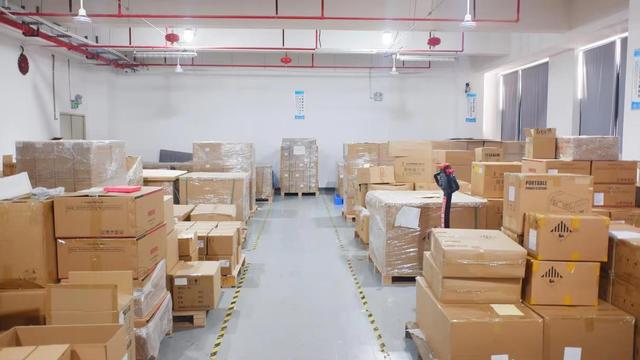
Understanding the internal component selections, chemistry paths, and integration support available for custom systems.
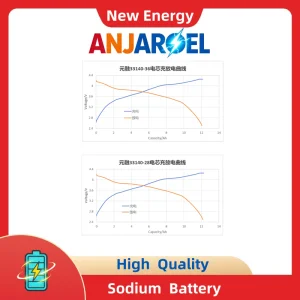
A high-performance battery energy storage system is built on a careful balance of chemical stability, electrical safety, and communication protocols. The choice of battery chemistry is the first step in this design. Lithium Iron Phosphate (LiFePO4) remains the industry standard for stationary storage because of its thermal stability, low risk of thermal runaway, and long cycle life. Modern LiFePO4 cells are rated for over 6,000 charge-discharge cycles at 80% Depth of Discharge (DoD), offering long-term reliability for residential and light commercial projects. Emerging alternative chemistries, such as Sodium-ion (Na-Ion), are also gaining traction. While Na-Ion has a slightly lower energy density, its excellent performance in low temperatures and lower raw material costs make it a strong candidate for specific climates and budgets.
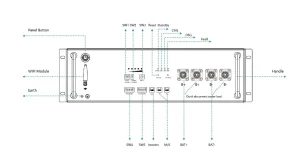
At the center of any modern BESS is the Battery Management System (BMS). The BMS is responsible for monitoring voltage, current, and cell temperatures. It prevents overcharging, deep discharging, and overheating while balancing the voltage across individual cells to maintain pack capacity over time. For successful system integration, the BMS must communicate smoothly with the system's hybrid inverter. Modern systems support standard communication interfaces like CAN bus, RS485, and Modbus. This ensures compatibility with leading global inverter brands, allowing for plug-and-play setups and remote system monitoring via cloud dashboards.
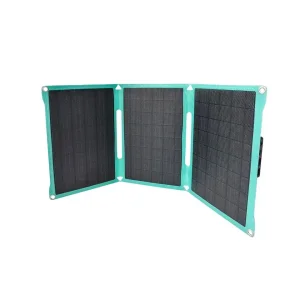
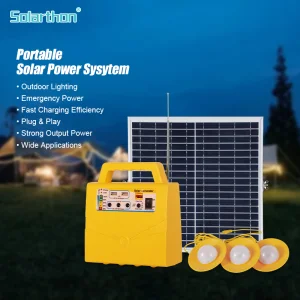
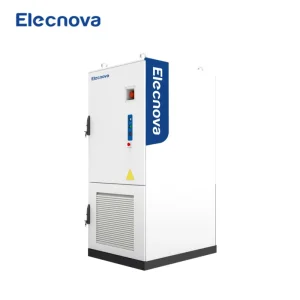
Explore our high-density battery modules, portable chargers, sodium-ion storage solutions, and high-power utility backup stations.
Answering key questions about engineering requirements, certification processes, and customization options for solar storage projects.
We offer comprehensive hardware and software customization. This includes custom branding and logo placement, structural design modifications (such as rack-mounted, wall-mounted, or mobile wheeled formats), specialized battery capacities, and specific voltage configurations. On the software side, we customize BMS protocols to ensure seamless communication with client-specified hybrid inverters via CAN, RS485, or Modbus interfaces.
Lithium Iron Phosphate (LiFePO4) is the preferred chemistry for residential and commercial BESS due to its high thermal stability and safety. It has a high thermal runaway threshold and is chemically stable, virtually eliminating the risk of fire under normal operating conditions. Additionally, it offers a long cycle life, typically maintaining over 80% capacity after 6,000 cycles, translating to over 10-15 years of daily operation.
Every energy storage system we produce uses an intelligent Battery Management System (BMS) that monitors cell parameters in real-time. This system includes passive or active cell balancing to keep all cells at uniform voltage and capacity levels. The BMS also monitors temperature, over-voltage, under-voltage, and over-current conditions, instantly disconnecting the circuit if any readings fall outside safe parameters.
Yes. All our battery systems are certified according to international transport and safety standards. Our certifications include CE for European installations, UN38.3 for safe lithium battery transport, and ISO9001 for quality control in manufacturing. We also supply MSDS documentation and transport testing reports to support smooth customs clearance and local installation approval.
Yes. Our engineering team designs the BMS firmware to be compatible with major global inverter brands (including Deye, Growatt, GoodWe, Victron, and SMA). During the OEM/ODM phase, we configure and test the protocol matching to ensure the battery system and inverter communicate reliably, displaying accurate state-of-charge (SoC) and operating status.
Lead times depend on the level of customization required. For standard systems with custom branding, the lead time is typically 25 to 30 days. For projects requiring custom structural design or modified electrical layouts, the development phase (including prototyping and safety testing) adds another 4 to 6 weeks. We provide clear schedules and milestone tracking throughout the project.
 PlugVolt Charging