Premium energy storage components manufactured with safety, modular density, and extreme thermal resilience.
Shenzhen PlugVolt Charging Co., Ltd. is a professional manufacturer and global supplier specializing in home energy storage battery systems and residential solar storage solutions. The company focuses on the research, development, production, and integration of advanced lithium battery technologies designed for modern energy management, backup power, and renewable solar applications.
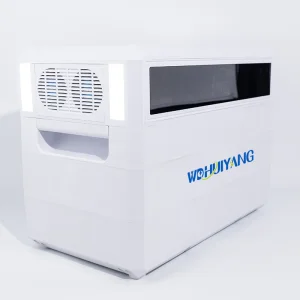
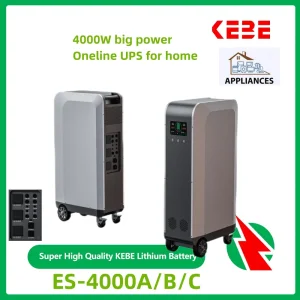
With a strong commitment to innovation and sustainability, PlugVolt Charging delivers high-performance energy storage systems that support residential solar setups, balcony solar systems, and off-grid power solutions. Its product portfolio includes modular battery storage units, intelligent battery management systems (BMS), hybrid inverter-compatible storage solutions, and emergency backup power systems designed for reliable and efficient energy utilization.
"Through integrating advanced safety components, active cell-balancing technologies, and modular designs, PlugVolt guarantees robust energy redundancy and rapid ROI for commercial operators and residential microgrids globally."
Safety, stability, and an extended operational life span form the core engineering philosophy of Shenzhen PlugVolt Charging Co., Ltd. All systems are manufactured under strict quality control frameworks, meeting rigorous international compliance metrics including CE, UN38.3, UL1973, and ISO 9001/14001/45001 standards. By validating structural cell density, optimizing state-of-charge tracking (SoC), and ensuring fire-safe container enclosures, PlugVolt systems provide exceptional reliability.
Beyond off-the-shelf catalog selections, PlugVolt is an industry-leading OEM/ODM partner. We offer targeted customization spanning chemistry preferences (LFP vs. Sodium-Ion), structural forms (stacked, rack-mounted, balcony slim-fit), and software optimization for hybrid smart grids. Currently, our global footprint spans key decarbonizing markets across Europe, Asia-Pacific, Africa, and the Americas, leading the transition toward a zero-emission energy infrastructure.
A synergistic hub of material processing, rapid engineering, and end-to-end supply chain integration.
From the precursor raw materials of LiFePO4 and Sodium active components to automated assembly lines and smart BMS software controllers, China's manufacturing clusters lower processing bottlenecks, delivering shorter factory lead times.
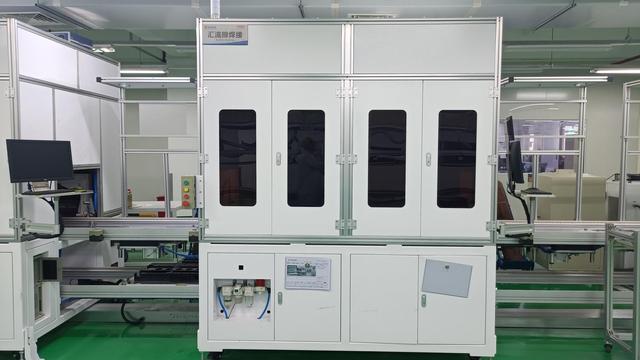
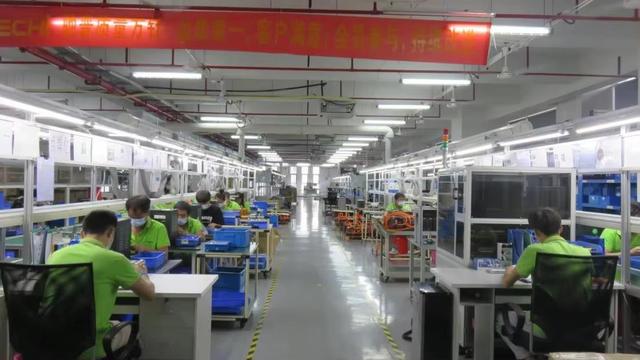
China is home to the world's most sophisticated automation facilities. High-speed laser welding, automatic cell sorting, and deep vacuum liquid filling chambers guarantee product uniformity and eliminate microscopic flaws that jeopardize battery safety.
With thousands of active clean-energy patents, Chinese manufacturers lead in commercializing new chemical formulations. Our transition from traditional lithium chemistries into high-safety, low-temperature Sodium-Ion systems offers buyers modern technological advantages.
Analyzing key battery safety systems, liquid cooling mechanisms, and structural cell variations.
In industrial installations, temperature consistency determines system lifespan. Forced air-cooled systems often suffer from internal thermal gradients, accelerating the aging of cells positioned deep within structural racks.
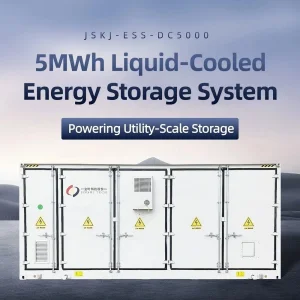
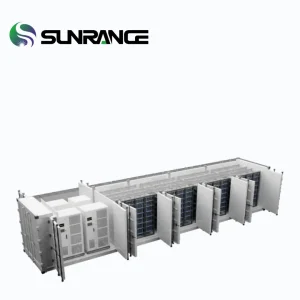
By contrast, three-tier liquid-cooled container ESS structures employ specialized coolant loops that directly contact cells via cooling plates. This configuration restricts internal cell-to-cell temperature variances to less than 3°C. In extreme environments, such as high-altitude regions or arid mining sites, this precise thermal control prevents localized hot spots, minimizing the risk of thermal runaway.
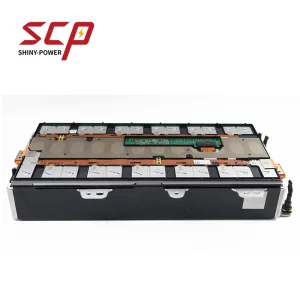
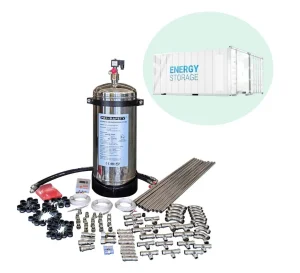
Ensuring safety in large installations requires a layered mitigation strategy. Integrating aerosol fire safety devices directly into battery racks offers localized containment.
Should the BMS detect thermal anomalies at the cell level, it isolates the affected cluster while releasing aerosol fire suppressants. This action starves the combustion zone of oxygen, preventing propagation without damaging adjacent structural equipment.
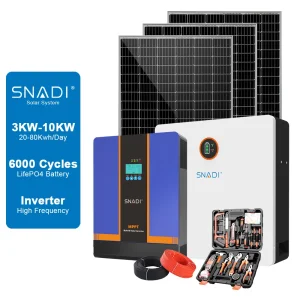
Best for high-capacity applications requiring up to 6000 cycles, including home storage systems and large commercial batteries.
Excellent low-temperature performance (operational down to -40°C) with lower dependence on scarce raw minerals.
The future of highly dense, non-flammable mobile and marine battery modules.
Adapting battery architectures to meet diverse requirements across industrial facilities and residential spaces.
Remote mining operations, weather stations, and border outposts require energy resilience under severe environmental conditions. High-safety liquid-cooled containers withstand high UV, thin air, and wide temperature swings, providing a stable off-grid power supply.
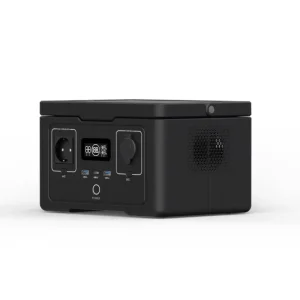
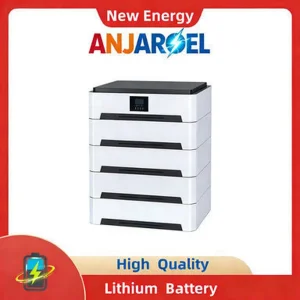
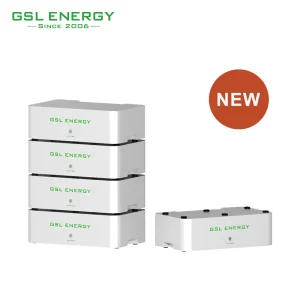
For tenants in urban apartments or smaller homes, balcony storage systems offer an efficient path to energy independence. Lightweight, stackable plug-and-play lithium packs integrate easily with microinverters, harvesting day solar to offset peak evening tariffs.
High peak-demand surcharges can impact profitability for factories and commercial properties. Installing 500kW to 2MWh battery arrays allows facilities to store energy during off-peak times and discharge it during peak periods, lowering operational costs.
Navigating international grid compliance requires rigorous testing and validation. When sourcing battery energy storage systems (BESS), international buyers prioritize suppliers who provide fully certified assemblies. Compliance with standards such as UN38.3 for transport safety and CE certifications for electrical safety is essential for grid integration.
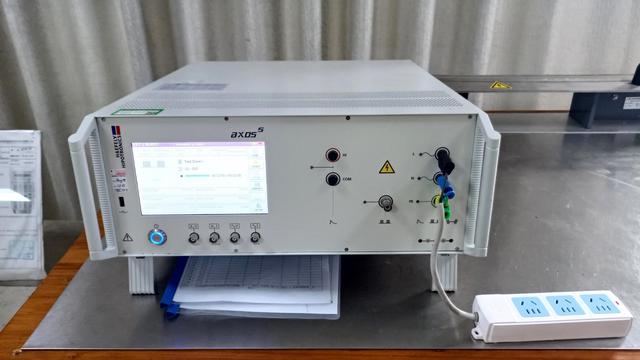
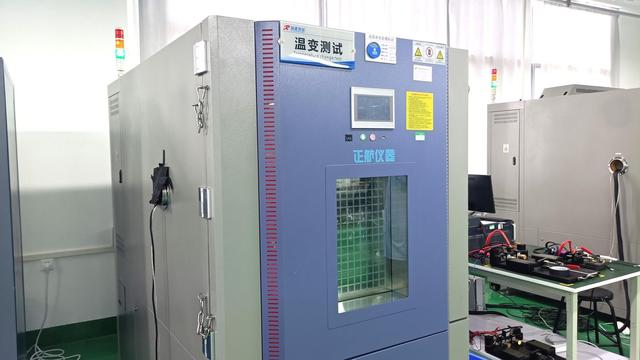
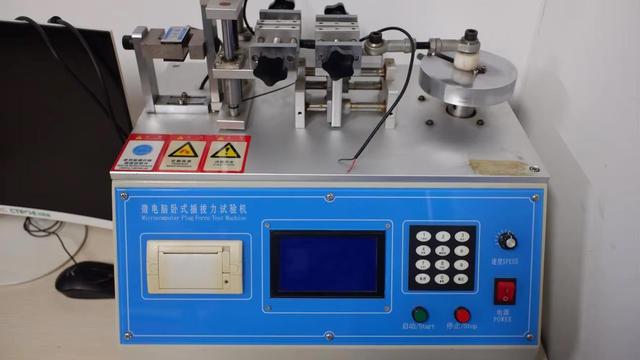
Shenzhen PlugVolt Charging Co., Ltd. ensures each batch undergoes comprehensive performance validation. This includes thermal shock testing, vibration testing, altitude simulation, and external short-circuit tests, ensuring safe operation during global transit and deployment.
We offer tailormade configurations to align with project requirements:
Anticipating next-generation technologies shaping the global storage landscape.
Predicting thermal runaways and cell degradation trends by analyzing operational data in the cloud.
Replacing lithium in applications where cost and temperature tolerance are prioritized over volumetric size.
Developing bidirectional systems that allow electric vehicles to supply power back to home grids during high-tariff periods.
Complementary hardware components designed to secure, monitor, and optimize your energy storage installations.
Get professional insights regarding battery technologies, compliance, and custom project manufacturing.
Liquid-cooled systems use a closed-loop coolant cycle to maintain stable cell temperatures, restricting variance to within 3°C. This prevents localized hot spots, improves efficiency in extreme environments, and extends the lifespan of LiFePO4 cells compared to traditional air-cooled setups.
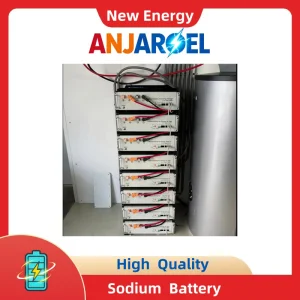
Yes. Sodium-Ion battery systems (like the Anjaroel 51.2V 200Ah Rack-Mounted Storage) offer stable discharge rates, high safety profiles, and cost advantages. They perform exceptionally well in low-temperature regions where traditional lithium-ion chemistry experiences capacity drops.
All products comply with strict international regulatory standards, including CE, UN38.3 (for transport safety), and ISO 9001/14001/45001 management quality standards. Testing includes short-circuit simulations, vibration, and thermal runaway containment tests.
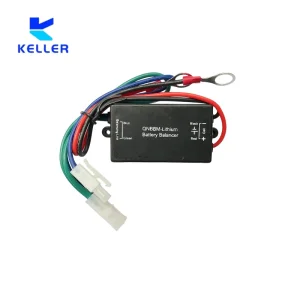
Active balancing modules redistribute charge from higher-energy cells to lower-energy cells within a pack, minimizing energy waste. Passive balancing simply dissipates excess energy as heat. Active balancing improves overall pack efficiency and extends cycle life.
Lead times depend on the customization scope. Standard module modifications usually take 4 to 6 weeks, while larger containerized solutions requiring custom engineering and structural designs take 8 to 12 weeks from technical approval to port shipping.
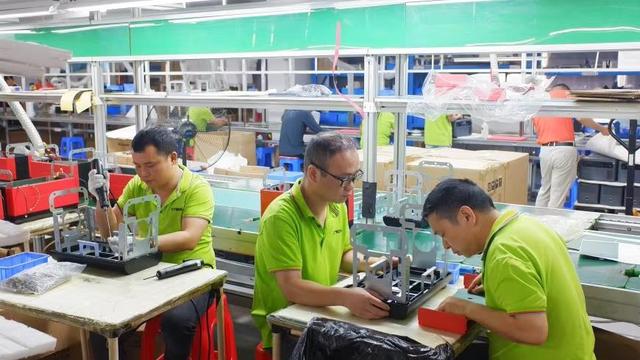
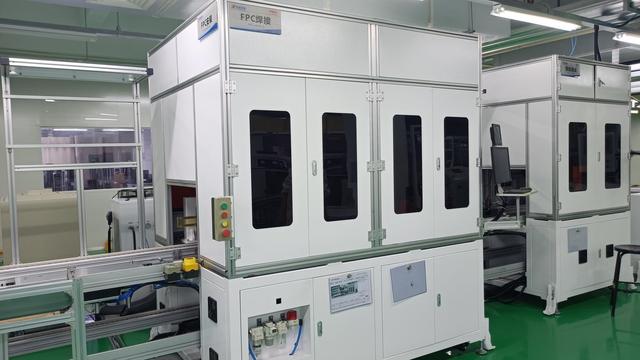
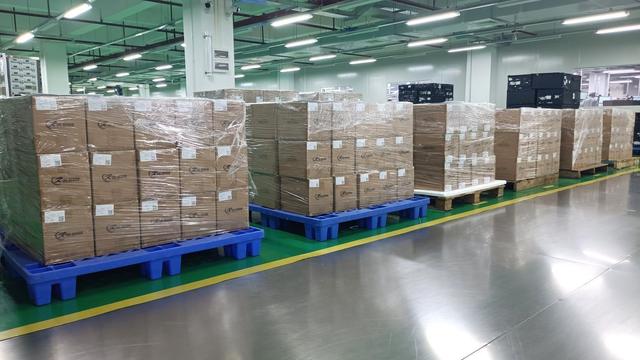
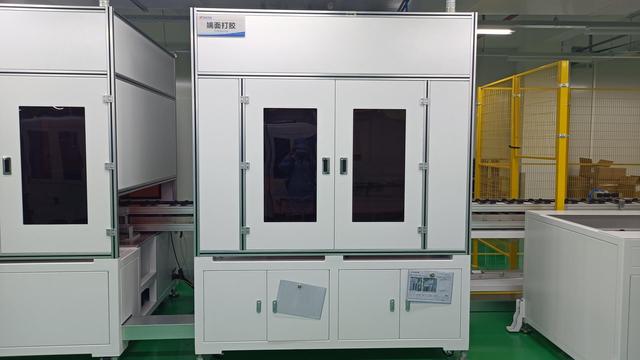
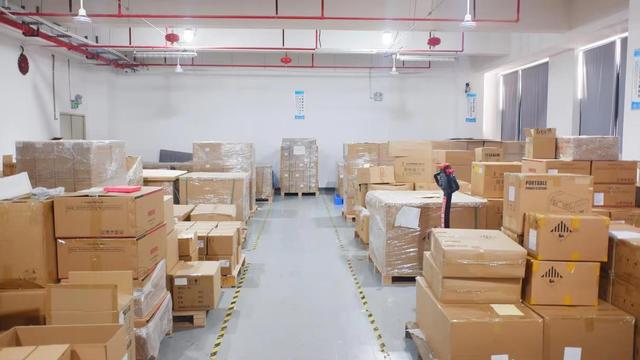
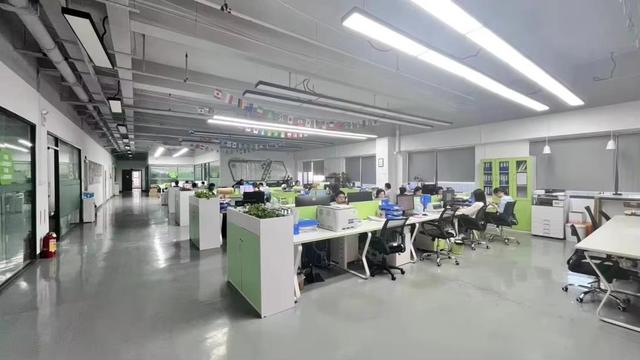
Visualizing our cleanroom automated assembly, laser welding, and high-precision testing chambers.
 PlugVolt Charging