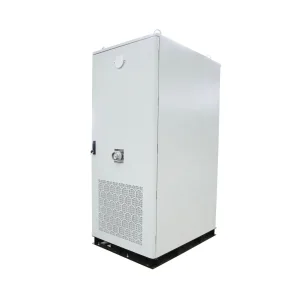
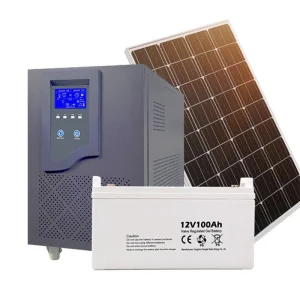
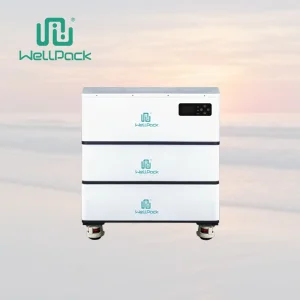
Engineered for mission-critical reliability, extreme environment versatility, and maximum thermodynamic safety.
Shenzhen PlugVolt Charging Co., Ltd. is a professional manufacturer and global supplier specializing in home energy storage battery systems and residential solar storage solutions. The company focuses on the research, development, production, and integration of advanced lithium battery technologies designed for modern energy management, backup power, and renewable solar applications. By blending cutting-edge cell science with robust system-level architectural engineering, we bridge the gap between volatile clean energy generation and stable, secure load distribution.
With a strong commitment to innovation and sustainability, PlugVolt Charging delivers high-performance energy storage systems that support residential solar setups, balcony solar systems, and off-grid power solutions. Its product portfolio includes modular battery storage units, intelligent battery management systems (BMS), hybrid inverter-compatible storage solutions, and emergency backup power systems designed for reliable and efficient energy utilization. Our mission remains rooted in offering reliable clean energy that functions autonomously under adverse climatic conditions and isolated environments.
Shenzhen PlugVolt Charging Co., Ltd. emphasizes safety, stability, and long service life. All systems are manufactured under strict quality control standards and comply with international certifications such as CE, UN38.3, and ISO requirements. The company ensures that every energy storage solution offers high energy density, fast charging capability, and intelligent power optimization. By engineering redundancy into our thermal mitigation loops and control electronics, we provide end-users with unparalleled system lifetime and security.
In addition to standard products, PlugVolt provides OEM and ODM customization services to meet diverse project requirements for residential, commercial, and small-scale industrial energy storage applications. Its solutions are widely used in Europe, Asia, Africa, and the Americas, supporting the global transition toward clean and renewable energy. Whether it is matching specific modular dimensions or adjusting communication protocols to interface with Legacy grid architectures, our custom solutions are tailor-made for high performance.
By combining advanced battery technology with smart energy management systems, Shenzhen PlugVolt Charging Co., Ltd. is committed to becoming a trusted global partner in residential energy storage and solar backup power solutions, empowering users with safer, greener, and more efficient electricity independence.
Our continuous investment in advanced metallurgy, automated robotics, and validation labs translates into direct performance metrics.
The global energy landscape is undergoing a paradigm shift. Decentralization, Decarbonization, and Digitization (the 3Ds of modern energy transitions) are rendering traditional centralized grid networks increasingly vulnerable. Extreme weather events, geopolitically driven fuel volatility, and the strain of rapid industrial urbanization demand a localized, resilient model: the autonomous microgrid. Modern remote power systems are no longer merely passive backup units; they are active assets capable of peak-shaving, load-shifting, and virtual power plant (VPP) aggregation.
Technologically, the industry has transitioned away from volatile lead-acid chemistries toward highly stable Lithium Iron Phosphate (LiFePO4) and pioneering Sodium-Ion architectures. LiFePO4 cells are favored for their structural stability, offering more than 6,000 charge cycles, minimizing thermal runaway risks, and avoiding the usage of toxic, scarce heavy metals like cobalt. Concurrently, Sodium-Ion battery systems represent a vital frontier for extreme cold environments, showing remarkable capacity retention at temperatures below -20°C and offering supply chain insulation against lithium raw material fluctuations.
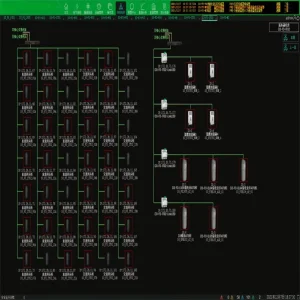
Furthermore, integration with AI-enabled IoT cloud dashboards allows enterprise operators to monitor cell-level state of charge (SoC), state of health (SoH), and heat dissipation curves in real-time. This proactive maintenance model reduces downtime to near zero, making remote industrial nodes—such as telecommunication base stations, pipeline monitoring arrays, and off-grid utility platforms—completely self-reliant.
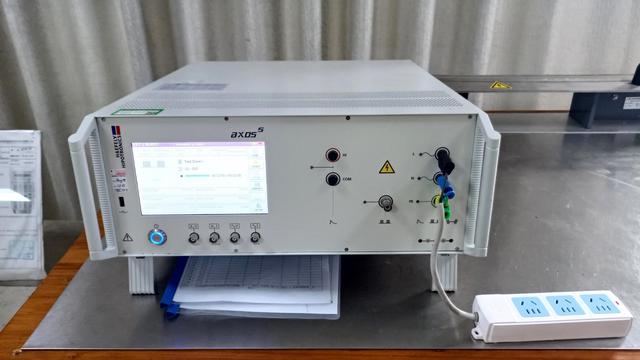
For industrial procurement directors, EPC contractors, and global distributors, sourcing energy storage assets is a complex multi-variable optimization problem. The core objective is minimizing Levelized Cost of Storage (LCOS) while ensuring absolute compliance and safety. In European and North American markets, certifications are not optional checklists; they are legal gatekeepers. Systems must bear the CE mark, conform to electromagnetic compatibility (EMC) regulations, and undergo rigorous testing under the UN38.3 protocol to guarantee transport safety via sea and air.
Mandatory UN38.3 transport validation, CE conformity, and strict compliance with ISO9001:2015 quality pathways.
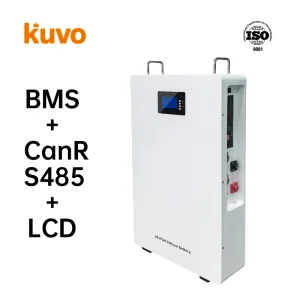
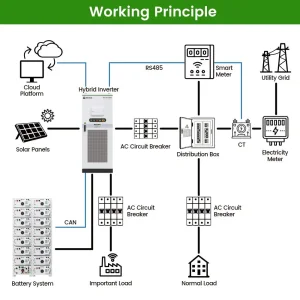
Dual CAN/RS485 interfaces natively pre-programmed for seamless synchronization with mainstream global hybrid inverters.
Highly optimized cycle lifespans and modular stackable form factors reduce installation costs and expand operational limits.
Beyond certifications, buyers prioritize integration readiness. A standalone battery without communication capability is an operational bottleneck. Modern installations demand that batteries interface directly via CAN/RS485 protocols with hybrid string inverters from leading manufacturers. This allows the inverter to dynamically adjust charging curves based on the battery's active State of Charge (SoC), cell voltages, and thermal states. Scalability is equally critical: procurement officers look for stackable modular units that allow effortless scaling from a 5kWh basic residential unit up to a 100kWh light-industrial energy cabinet without requiring extensive engineering modifications.
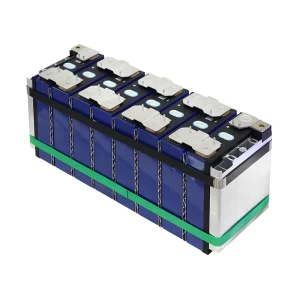
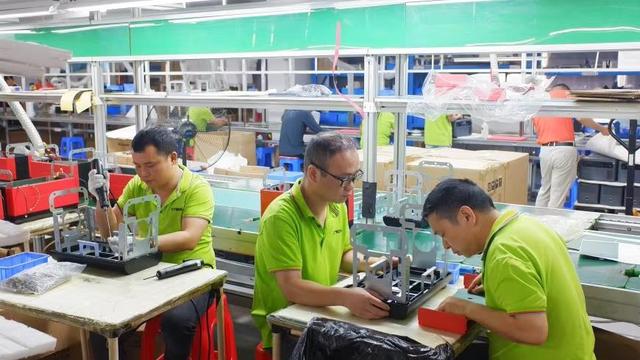
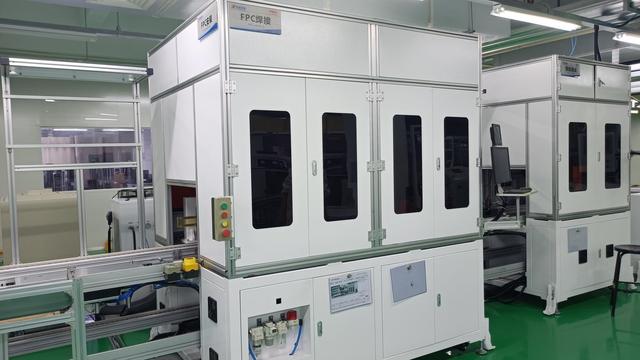
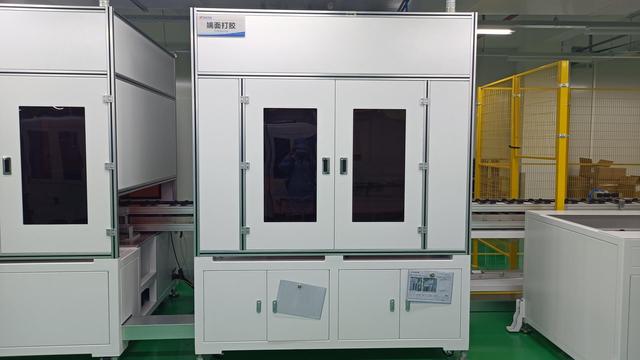
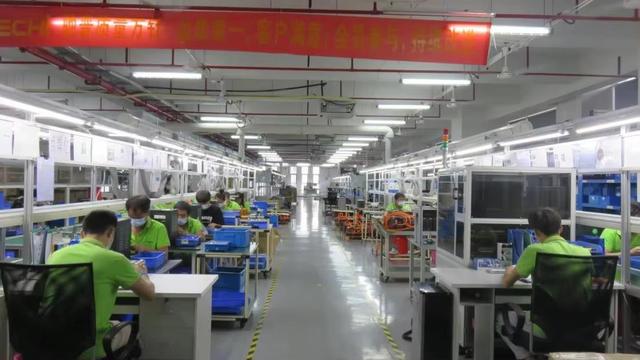
Our manufacturing ecosystem in Shenzhen represents the height of China's "Factory 4.0" industrial upgrade. Through automated production stages, we control cell testing, module stacking, laser welding, and final system integration with digital traceability. Advanced laser welding technologies eliminate human inconsistencies in cell-to-cell busbar connections, mitigating resistance points that could cause hot spots or thermal inefficiencies under high-drain applications.
Each battery module undergoes comprehensive automated aging tests before shipment. Cells are matched through high-precision classification algorithms to ensure minimal deviation in internal resistance and capacity. This consistency prevents premature module degradation, maximizing the operational lifespan of the entire system.
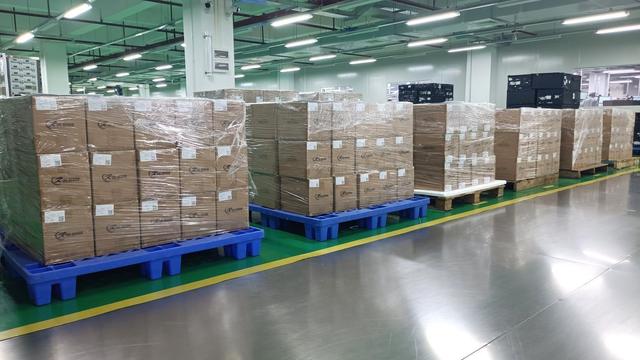
China's highly integrated supply chain gives us a distinct advantage. We source Tier-A raw materials, microprocessors, and power electronics directly from nearby industrial hubs, insulating our clients from global geopolitical and logistic shocks. This physical concentration of the supply chain allows us to shorten production lead times for large custom OEM/ODM orders to a fraction of the time required by Western competitors.
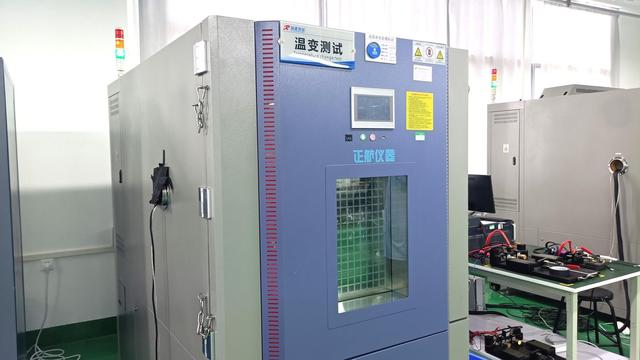
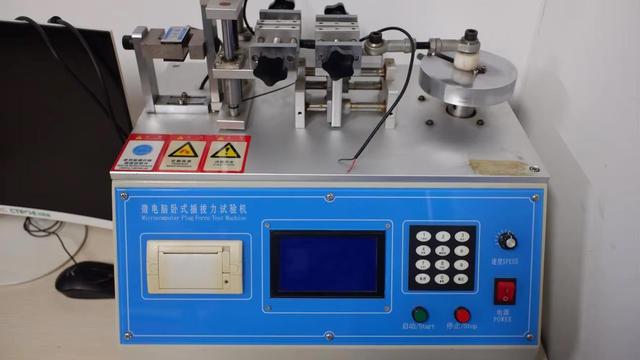
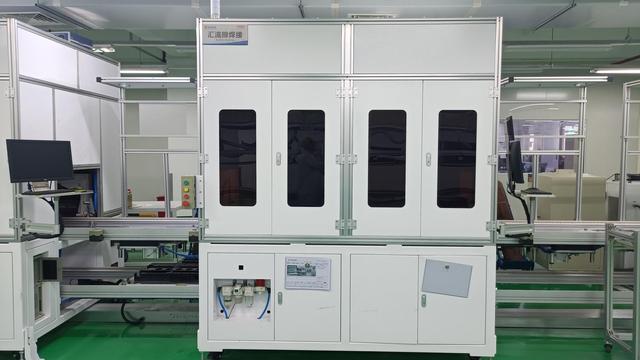
Remote power is not a one-size-fits-all product. Different applications require specific engineering configurations:
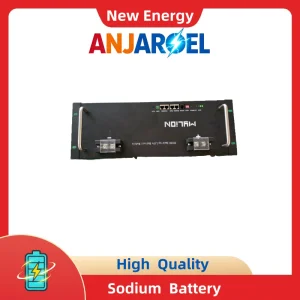
In remote telecommunications towers, systems are subject to extreme temperatures and cyclic grid outages. Our rack-mounted systems, including sodium-ion options, operate continuously in environments from -20°C to 60°C. Integrating these systems with solar arrays ensures uninterrupted communication channels, minimizing reliance on expensive, high-maintenance diesel generators.
Innovative urban infrastructures require compact, high-density energy storage. For example, our custom battery integration for 12-level puzzle parking systems provides peak-shaving functionality. By storing energy during off-peak hours and discharging it during high-load mechanical car lifts, these systems prevent grid overloads and protect motors from voltage sags.
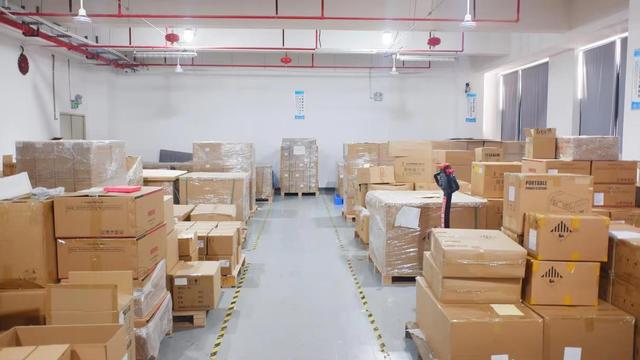
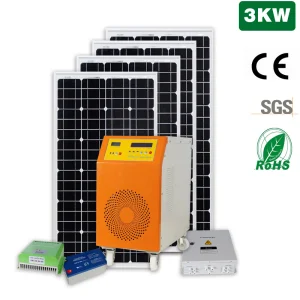
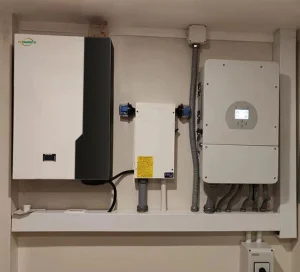
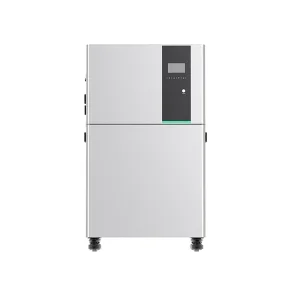
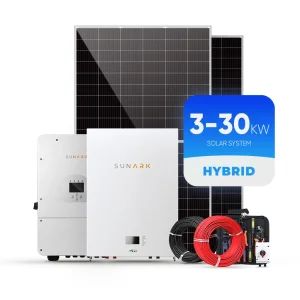
In residential settings, we provide solutions that fit diverse home designs. From space-saving balcony solar configurations for apartments to stackable all-in-one systems for single-family homes, our products support domestic energy transition plans. These systems enable households to store excess solar energy produced during the day, reducing reliance on the grid and lowering carbon footprints.
Tailored configurations from cells to high-capacity grid-connected systems, designed for modern off-grid projects.
In-depth responses to common questions about battery chemistry, thermal safety, custom design, and international transport compliance.
Lithium Iron Phosphate (LiFePO4) chemistries offer significantly higher thermal and chemical stability than Nickel Manganese Cobalt (NMC) formulations. The phosphorus-oxygen covalent bond in LiFePO4 is structurally stronger than the cobalt-oxygen bonds in NMC, which means the cell resists thermal runaway under high temperatures, overcharging, or physical damage.
Additionally, LiFePO4 chemistry provides a longer operational life, maintaining over 6000 cycles at 80% depth of discharge, compared to typical NMC lifespans of 1000 to 2000 cycles.
The Smart Battery Management System (BMS) actively monitors cell-level voltages and temperatures. If a deviation is detected during charging, the system uses passive or active balancing to equalize charge levels across cells, protecting the system from early capacity loss.
The system also features built-in cut-off controls that protect the battery against over-discharge, over-voltage, short-circuits, and thermal spikes, helping extend the battery's overall service life.
The UN38.3 standard certifies that battery systems have undergone rigorous testing, including thermal, vibration, impact, overcharge, and external short-circuit evaluations, making them safe for international air and ocean transit.
CE certification ensures compliance with European Union directives for health, safety, and environmental protection. Together, these certifications ensure that our products meet the entry and regulatory standards of global markets.
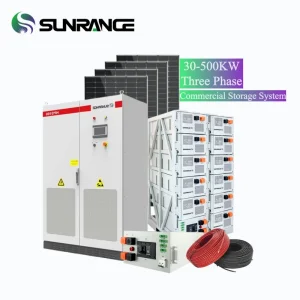
Yes, our modular systems support serial and parallel configurations, allowing expansion to higher voltage ranges (such as high-pressure integrated cabinets) to meet light industrial requirements.
Additionally, these systems integrate with smart power management panels to manage load distribution, optimize generator runtimes, and control industrial equipment during peak hours.
Sodium-ion systems perform reliably in extreme cold, maintaining up to 80% of their nominal capacity at temperatures down to -20°C. In comparison, standard lithium-ion batteries show a noticeable reduction in discharge performance at low temperatures.
While sodium-ion options have a slightly lower energy density, their low-temperature performance and stable supply chain make them an excellent choice for remote, cold-climate installations.
We provide full customization, including engineering bespoke enclosure dimensions, custom thermal cooling configurations, custom communication protocols (such as CAN, Modbus-RTU, and RS485), and private labeling.
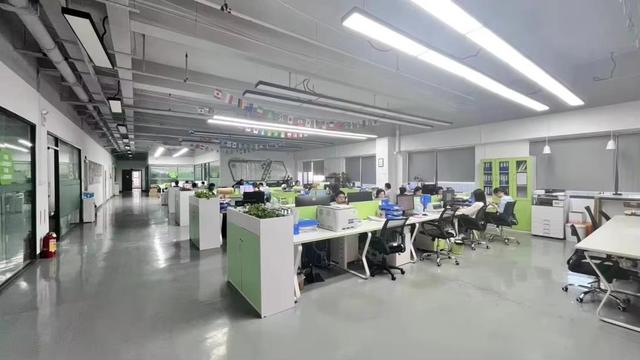
Our design and engineering team works closely with commercial partners to ensure that custom configurations integrate seamlessly with existing power electronics and project-specific requirements.
Under typical operation, our stackable residential systems can achieve 6,000 charge-discharge cycles at 80% Depth of Discharge (DoD). This translates to over 15 years of daily cycling under standard home conditions.
Proper temperature management and using our smart BMS to prevent deep discharges can extend the life of the battery bank beyond these nominal ratings.
Mechanical parking lifts require sudden, high surge currents to move car platforms. Our backup power systems use high-rate discharge batteries combined with robust logic controllers to handle these startup loads.
In the event of a grid outage, the backup system activates automatically, allowing operators to lower and retrieve vehicles safely while preventing damage to the system's electric motors.
 PlugVolt Charging