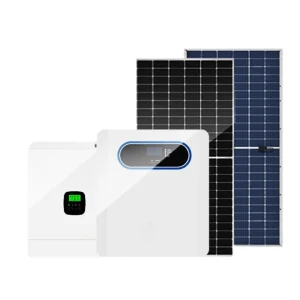
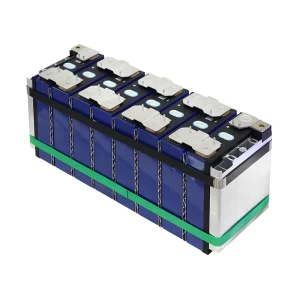
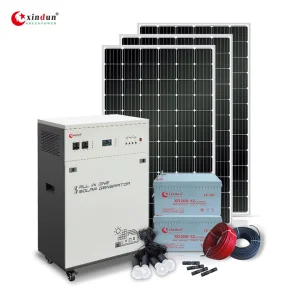
Explore our flagship product variants designed for scalable power distribution, industrial safety compliance, and off-grid reliability.
Shenzhen PlugVolt Charging Co., Ltd. stands as a preeminent developer and export manufacturer specializing in residential, commercial, and small-scale industrial solar storage configurations. Driven by technological innovation, our core capabilities span the research, design, production, and high-level integration of robust lithium-ion batteries. Our comprehensive platforms are engineered specifically to satisfy the complexities of modern energy management, backup safety, and renewable integration.
By utilizing high-performance chemical formulations and advanced Battery Management Systems (BMS), PlugVolt develops storage topologies that work seamlessly across high-voltage and low-voltage configurations. Our focus remains on delivering sustainable energy architecture that enhances efficiency, reduces the levelized cost of storage (LCOS), and accelerates global carbon neutrality.
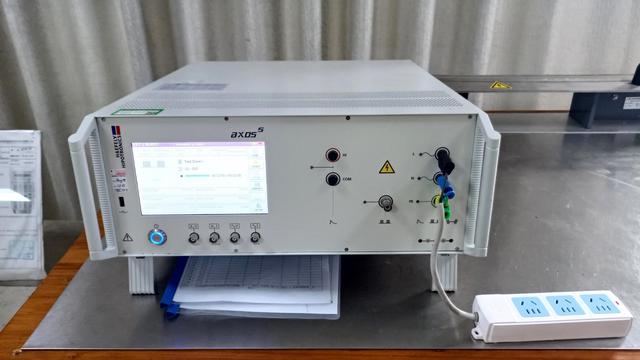
"Safety, longevity, and structural reliability define our engineering. All energy systems are manufactured under stringent control regimes, validating conformity to rigorous international safety standards including CE, UN38.3, and ISO guidelines."
The dynamic shifts within the global energy landscape have positioned solar power management systems (PMS) as critical infrastructure. As grids face load instability, skyrocketing peak-demand pricing, and the pressure of carbon emission legislation, enterprise operations cannot rely solely on simple photovoltaic panels. Modern microgrids demand real-time telemetry, active hybrid off-grid capabilities, and dynamic power distribution.
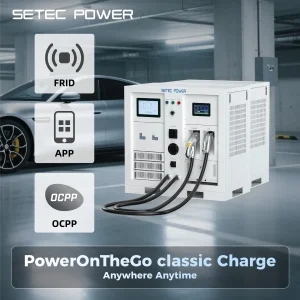
Within the commercial and industrial (C&I) sectors, energy management is evolving from simple consumption monitoring to sophisticated energy arbitrage and peak-shaving. Systems like the SETEC POWER High-Capacity 30kWh to 1MWh Emergency Battery Storage System showcase this shift by serving as both EV fleet charging buffers and vital emergency reserve platforms. Integrated energy storage bridges the gap between clean generation and load demands, mitigating power quality drops and stabilizing operational margins.
Simultaneously, the demand for modularity is rising. Scalable designs allow companies to install customized capacities—from 101kWh cabinets like the Eco-E101wx containing active aerosol fire suppression, up to multi-megawatt configurations. Globally, companies require plug-and-play adaptability, ensuring that when utility tariffs peak, stored solar energy is instantly discharged to minimize grid drawing.
Reduces reliance on commercial electricity during peak tariff periods by using intelligent discharge scheduling algorithms.
Guarantees transition times under 10 milliseconds to safeguard critical IT, medical, or manufacturing lines from power interruptions.
Balances the high current needs of EV rapid charging points using localized battery reserves to avoid transformer overload.
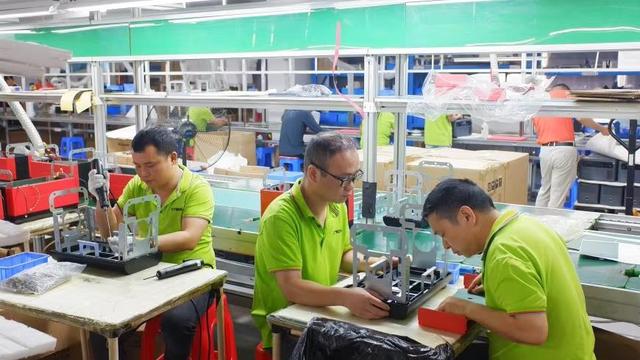
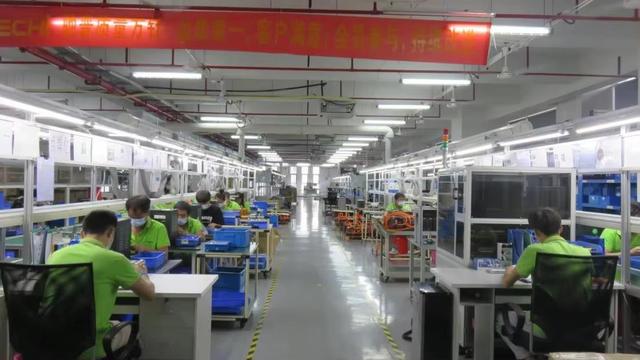
China's leadership in the global battery ecosystem is founded on deep industry integration, strict quality control, and rapid manufacturing scale. At PlugVolt's Shenzhen assembly complex, this advantage translates into highly standardized manufacturing lines. Because we control key components of the supply chain—from high-grade lithium iron phosphate (LiFePO4) cell sourcing to in-house BMS design—we ensure our systems consistently match high quality expectations.
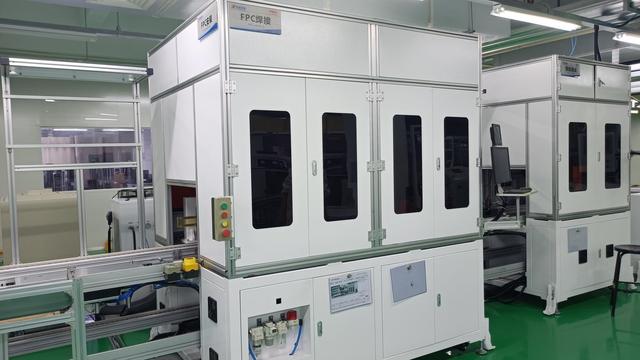
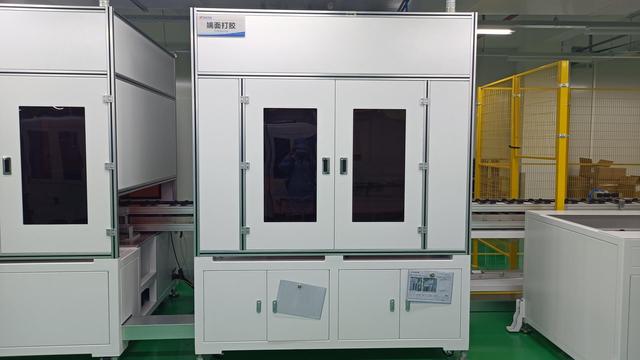
Unlike fragmented assembly operations, Shenzhen's industrial cluster allows PlugVolt to optimize thermal performance, structural durability, and module integration under one roof. Our modern factory operations use automated sorting machinery to balance cells by voltage, resistance, and capacity prior to final module compilation. This process reduces module decay rates, ensuring long-term battery performance and extending product lifespans beyond 6,000 cycles.
From high-density urban apartments in Europe to isolated off-grid operations in developing territories, energy storage solutions must adapt to varying regional demands.
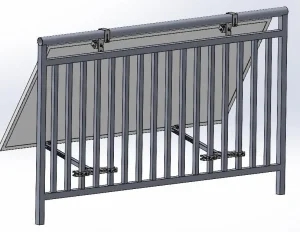
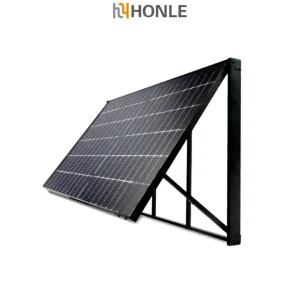
Compact, plug-and-play solar arrays configured with micro-inverters. They fit easily onto urban balconies, feeding clean energy directly into home sub-panels to offset baseline electricity bills.
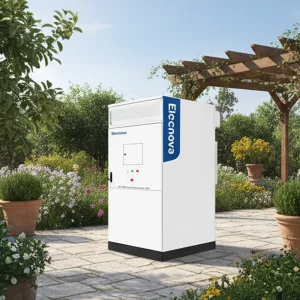
Large-scale energy storage system cabinets engineered with active aerosol fire extinguishers, automated heating systems for cold climates, and smart battery management systems (BMS).
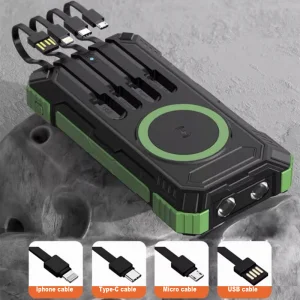
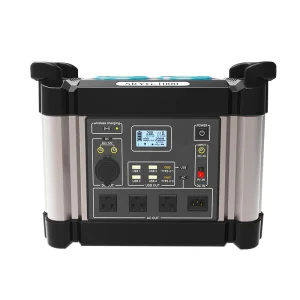
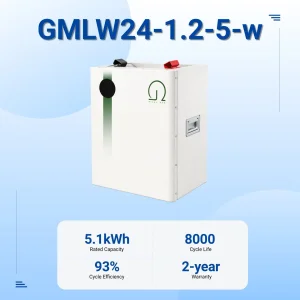
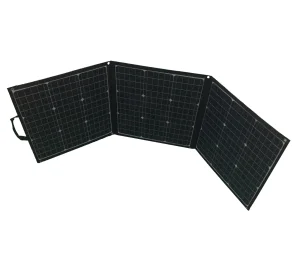
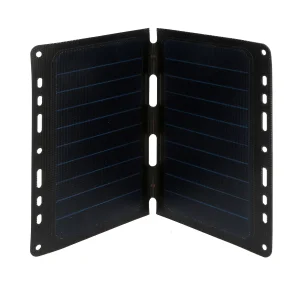
Wheeled storage power solutions and flexible solar blankets designed for field medical centers, rescue teams, outdoor maintenance projects, and remote site backup power.
When purchasing bulk energy storage, B2B procurement managers must evaluate several technical criteria to ensure performance reliability, regulatory compliance, and system longevity. Choosing products based on cost alone can lead to premature battery degradation or safety non-compliance.
A primary engineering consideration is thermal management and safety suppression. Systems must use high-quality lithium iron phosphate (LiFePO4) chemistry, which features a higher thermal runaway threshold compared to standard NMC cells. High-capacity cabinets, such as the 101kWh models, require active aerosol fire suppression and intelligent temperature balancing to keep cell variance below 3°C.
Additionally, cross-compatibility with hybrid inverters (including Deye, Growatt, and Victron) is essential. A robust system should offer flexible communication interfaces (CAN, RS485, and RS232), allowing engineering teams to monitor State of Charge (SoC) and State of Health (SoH) metrics remotely.
The future of solar energy storage relies on software-driven hardware integration. Raw storage is now combined with smart IoT platforms to enable active participation in grid networks. Energy storage systems are shifting from simple standby power solutions to key components of Virtual Power Plants (VPPs). By aggregation of multiple localized batteries over cloud networks, commercial operations can participate in grid frequency response, generating extra revenue while stabilizing regional grids.
At the battery cell level, we observe a steady shift from low-voltage (48V) to high-voltage (HV) battery stacks. High-voltage architecture reduces current levels across system wiring, lowering thermal losses, simplifying cable design, and improving overall round-trip conversion efficiency.
Simultaneously, edge-computed BMS diagnostics are standardizing. These platforms calculate State of Health (SoH) and perform cell balancing in real time. They prevent cell over-discharge before issues occur and flag early signs of degradation, helping commercial users schedule maintenance without system downtime.
Deep-dive technical answers to help B2B buyers and engineers select, install, and optimize energy storage systems.
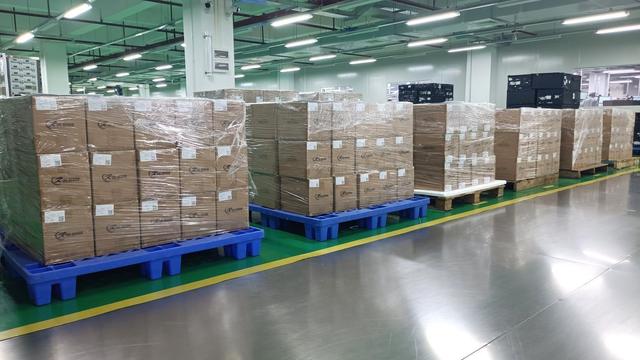
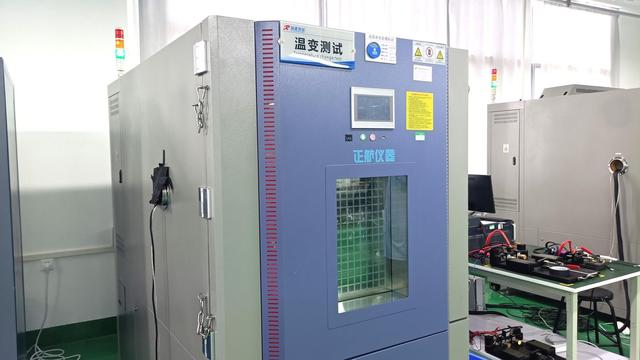
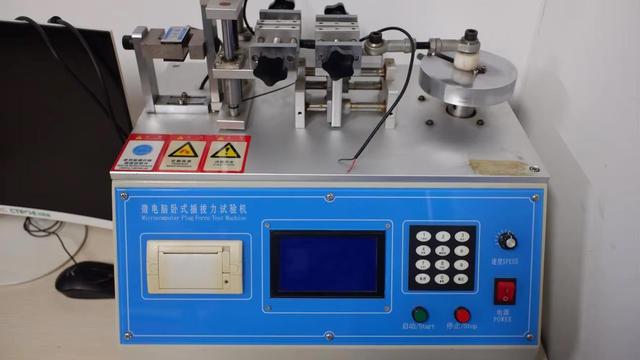
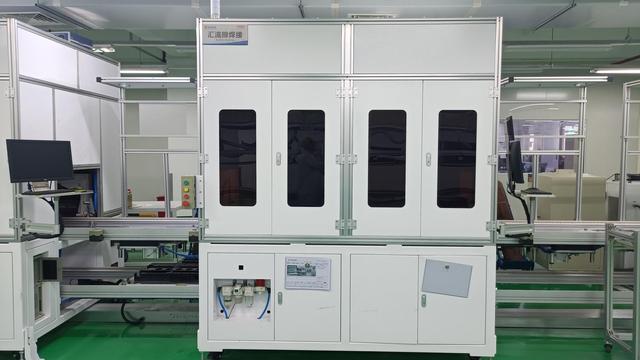
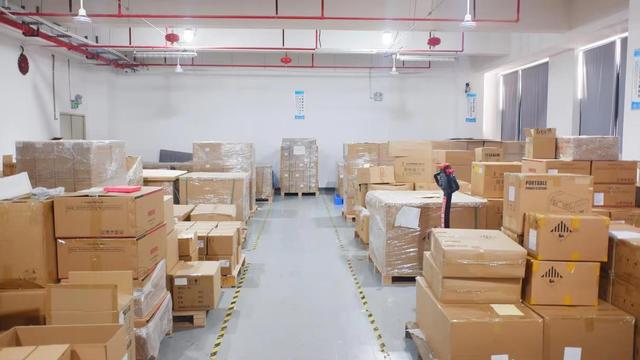
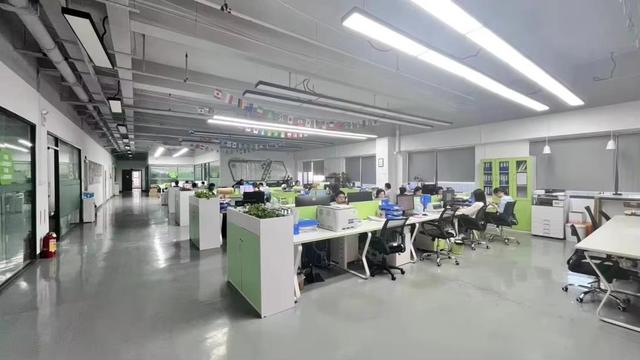
Inside our modern manufacturing plant: high-precision automated assembly, testing, and quality control systems.
Select from our comprehensive list of backup batteries, tracking systems, and solar power packs.
 PlugVolt Charging