Tier-1 certified OEM/ODM energy storage equipment engineered for residential, commercial, and off-grid utility deployments.

Global decarbonization mandates and grid instability are driving exponential compound annual growth rates across renewable energy storage markets.
The global energy landscape is undergoing a structural transition from central fossil-fuel dispatch to decentralized renewable generation. However, the inherent intermittency of solar photovoltaics (PV) and wind turbines mandates robust, scalable, and long-duration Battery Energy Storage Systems (BESS). Procurement officers, EPC (Engineering, Procurement, and Construction) contractors, and OEM brands must navigate complex technology shifts, including the transition from NMC (Nickel Manganese Cobalt) to high-safety Lithium Iron Phosphate (LiFePO4) chemistry, and the emerging integration of Sodium-ion cells for low-temperature applications.
Modern renewable storage solutions factories are no longer mere cell assemblers; they have evolved into high-tech systems integrators. Today's market demands intelligent Battery Management Systems (BMS) with real-time IoT cloud diagnostics, liquid cooling thermal management for high C-rate commercial installations, and seamless multi-inverter protocol compatibility to ensure grid compliance and maximum Levelized Cost of Storage (LCOS) efficiency.
Key technical specifications, regulatory compliance, and SLA expectations enforced by enterprise B2B energy storage buyers.
Enterprise buyers require full compliance with international standards: CE, UN38.3 (transportation safety), IEC 62619, UL 1973 (stationary batteries), and UL 9540A thermal runaway fire safety test reports to satisfy local grid codes and insurance prerequisites.
From stackable 5kWh residential residential battery modules to mega-watt hour (MWh) containerized C&I solutions, factories must provide plug-and-play modularity with master-slave BMS architecture supporting parallel expansion without signal loss.
Supply chain transparency is paramount. Top manufacturers maintain direct strategic alliances with A-grade prism cell vendors (e.g., EVE, CATL, BYD), ensuring laser-engraved barcode traceability from raw material to finished module.
Global brands demand customized enclosure colors, localized UI on LCD screens, pre-programmed CAN/RS485 inverter communication protocols (Deye, Victron, Growatt, Luxpower), and white-label packaging logistics.
How automated manufacturing clusters in Shenzhen and Guangdong drive cost efficiency, zero-defect quality control, and rapid delivery timelines.
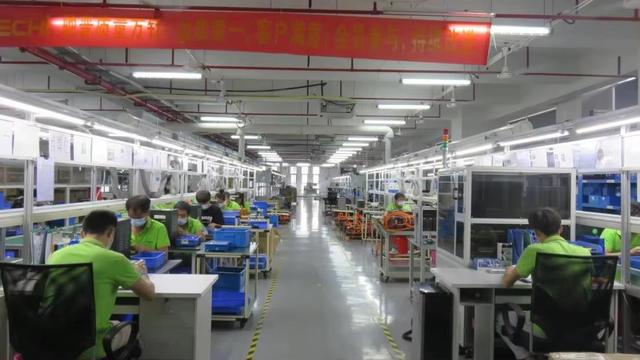
China's Pearl River Delta region, particularly Shenzhen, has established an unmatched global ecosystem for energy storage system manufacturing. Integrating raw material processing, Grade-A LiFePO4 cell production, custom BMS PCB assembly, precision sheet metal fabrication, and automated testing labs within a 50-kilometer radius gives Chinese factories an overwhelming operational advantage.
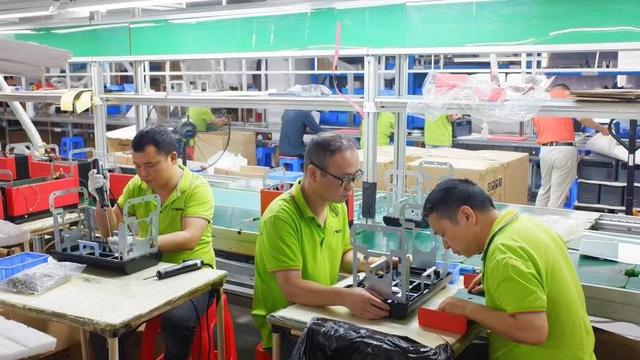
Industry 4.0 factories utilize robotic sorting machines to test 100% of Incoming battery cells for Voltage, Internal Resistance (IR), and Capacity consistency. Cells are matched within tight tolerances (ΔIR < 0.5mΩ, ΔV < 2mV) to maximize pack life cycles and prevent thermal imbalance.
High-power fiber laser welding systems replace manual bolting for cell interconnects. Automated visual inspection (AOI) guarantees ultra-low contact resistance, resistance to mechanical vibration during shipping, and mitigation of localized heating failures.
Before packaging, completed energy storage systems undergo full charge-discharge thermal aging cycles, insulation resistance tests, communication loop checks, and emergency shut-off simulations under automated computer supervision.
A comparative analytical framework for international buyers evaluating tier-1 OEM manufacturing capabilities.
| Factory Benchmark Category | Core Competency & Product Focus | Target Application Segment | Primary Safety / Protocol Standards |
|---|---|---|---|
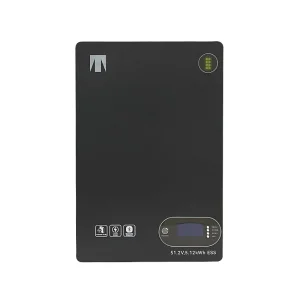
| 1. Shenzhen Microgrid Specialists | High-density wall-mounted & rack LiFePO4 residential storage | Residential Rooftop, Balcony Solar, Micro-ESS | CE, UN38.3, MSDS, EN 62619 |
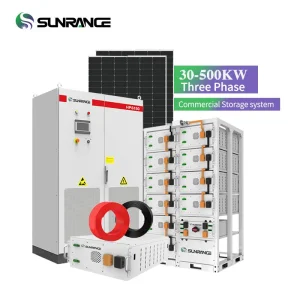
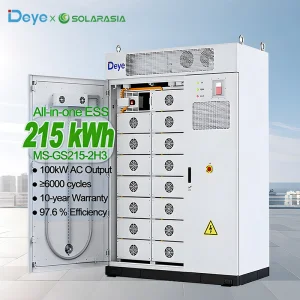
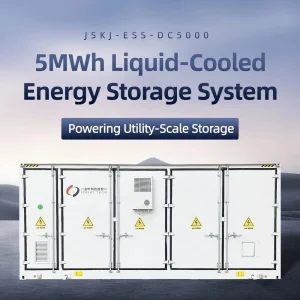
| 2. C&I Container Integrators | 100kW/215kWh to MWh liquid-cooled BESS containers | Commercial Peak Shaving, Industrial Microgrids | UL 9540A, IEC 62933, NFPA 855 |
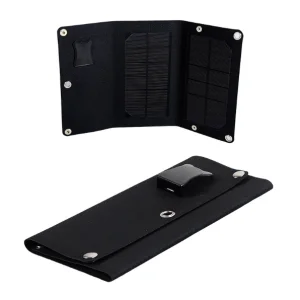
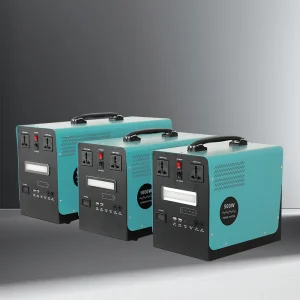
| 3. Portable & Outdoor Power OEM | Fast-charging portable power stations (500W-3000W) | Outdoor Camping, Emergency Backup, Off-Grid | FCC, RoHS, PSE, UL 2743 |
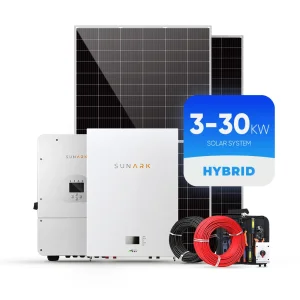
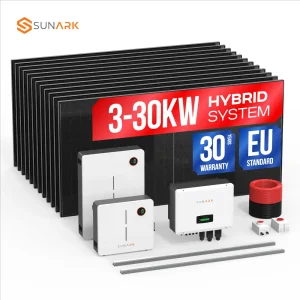
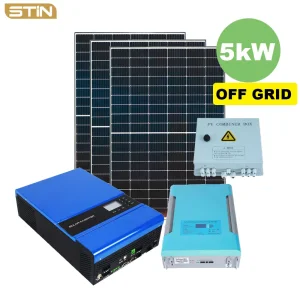
| 4. Hybrid System & Inverter Bundlers | All-in-one solar systems with integrated hybrid inverters | Off-grid Residential & Small Business Power | VDE-AR-N 4105, G99, NRS 097 |
| 5. Modular Battery Module Manufacturers | Standard 24V/48V/72V prismatic LiFePO4 building blocks | Custom System Builders, Telecom Base Stations | ISO9001, CE, UN38.3 |
| 6. Urban Balcony PV Solution Suppliers | Micro-inverter compatible low-voltage micro storage kits | Condos, Apartments, Urban High-Rise Solar | CE-LVD, CE-EMC, DIN VDE V 0126 |
| 7. High-Voltage Stackable System Factories | 192V - 600V high-voltage stackable home energy battery systems | Modern Villa Storage, Fast EV Charging Support | IEC 62040, CE, TÜV Rheinland |
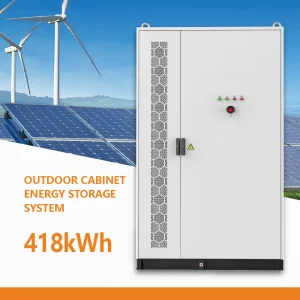
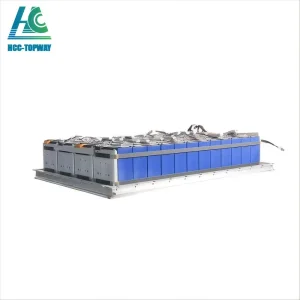
| 8. Heavy-Duty Industrial BESS Producers | IP54/IP65 liquid-cooled outdoor energy storage cabinets | Heavy Industry, Factory Demand-Charge Reduction | UL 1973, CE, CSA |
| 9. Mobile Solar Generator Developers | Trailer-mounted or foldable fast-charge solar generator systems | Disaster Relief, Remote Construction, Military Base | MIL-STD, CE, UN38.3 |
| 10. Smart BMS & Cloud IoT Integrators | Software-defined energy storage with remote telemetry & AI EMS | Virtual Power Plants (VPP), Smart Grid Arbitrage | ISO 27001 cybersecurity, CE, FCC |
Deploying tailored storage architectures across diverse geographical, environmental, and infrastructure landscapes.
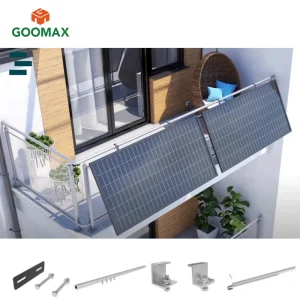
In European metropolitan areas with restricted roof access, plug-and-play balcony solar kits paired with 1kWh-3kWh micro-storage enable apartment tenants to offset baseline electricity loads efficiently without structural building modifications.
Manufacturing plants utilize 100kW/215kWh liquid-cooled battery cabinets to charge during low-cost off-peak hours and discharge during peak tariff slots, reducing steep utility demand charges and insulating production lines from sudden voltage sags.
Isolated locations rely on heavy-duty hybrid solar-diesel storage setups. Multi-kilowatt off-grid battery banks coupled with robust solar arrays guarantee 24/7 continuous operational power for telecom towers, mining camps, and island communities.
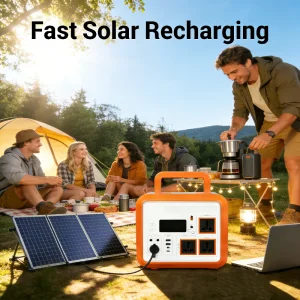
Regions prone to natural disasters or extreme weather employ portable LiFePO4 solar generators with fast AC/solar charging capabilities, ensuring clean emergency power for medical devices, lighting, and communication infrastructure during outages.
A premier manufacturing enterprise driving innovation in home energy storage battery systems and custom solar solutions.
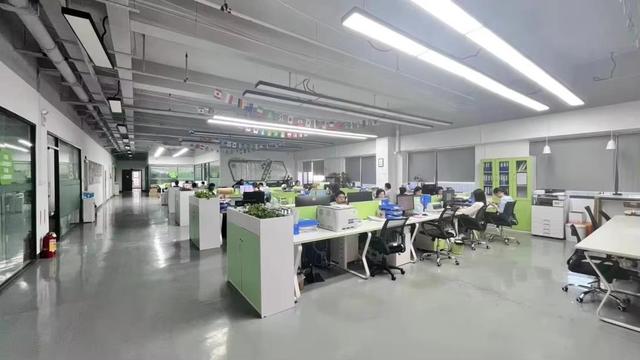
Shenzhen PlugVolt Charging Co., Ltd. is a professional manufacturer and global supplier specializing in home energy storage battery systems and residential solar storage solutions. The company focuses on the research, development, production, and integration of advanced lithium battery technologies designed for modern energy management, backup power, and renewable solar applications.
With a strong commitment to innovation and sustainability, PlugVolt Charging delivers high-performance energy storage systems that support residential solar setups, balcony solar systems, and off-grid power solutions. Its product portfolio includes modular battery storage units, intelligent battery management systems (BMS), hybrid inverter-compatible storage solutions, and emergency backup power systems designed for reliable and efficient energy utilization.
Shenzhen PlugVolt Charging Co., Ltd. emphasizes safety, stability, and long service life. All systems are manufactured under strict quality control standards and comply with international certifications such as CE, UN38.3, and ISO requirements. The company ensures that every energy storage solution offers high energy density, fast charging capability, and intelligent power optimization.
In addition to standard products, PlugVolt provides OEM and ODM customization services to meet diverse project requirements for residential, commercial, and small-scale industrial energy storage applications. Its solutions are widely used in Europe, Asia, Africa, and the Americas, supporting the global transition toward clean and renewable energy.
By combining advanced battery technology with smart energy management systems, Shenzhen PlugVolt Charging Co., Ltd. is committed to becoming a trusted global partner in residential energy storage and solar backup power solutions, empowering users with safer, greener, and more efficient electricity independence.
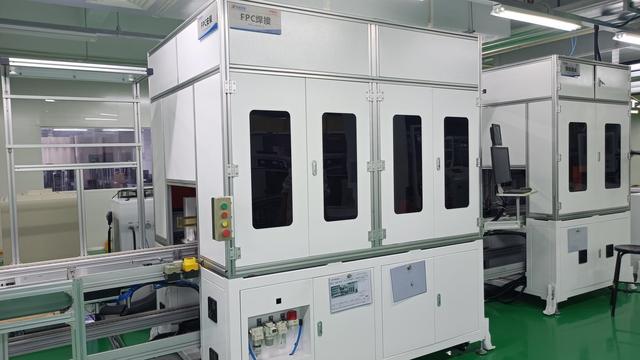
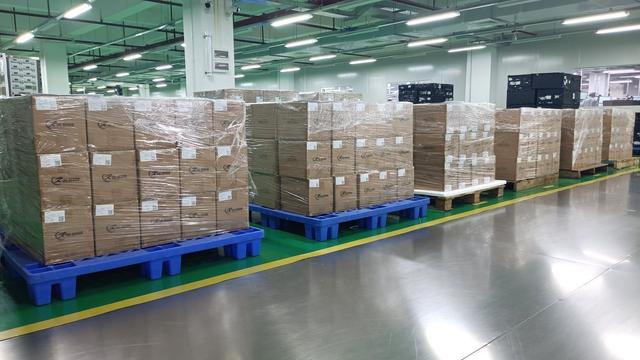
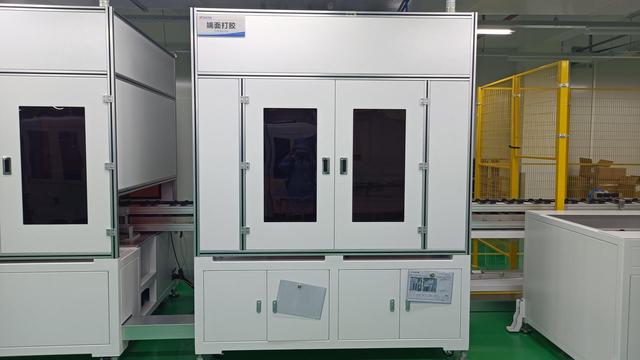
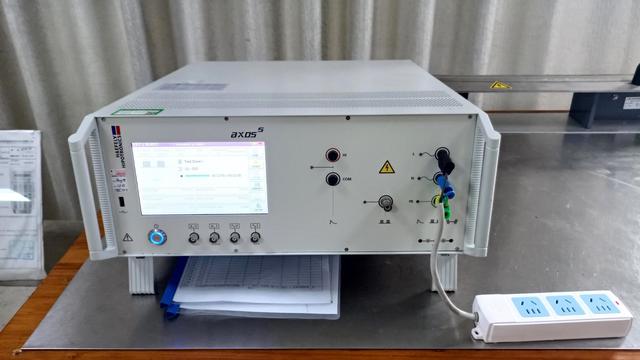
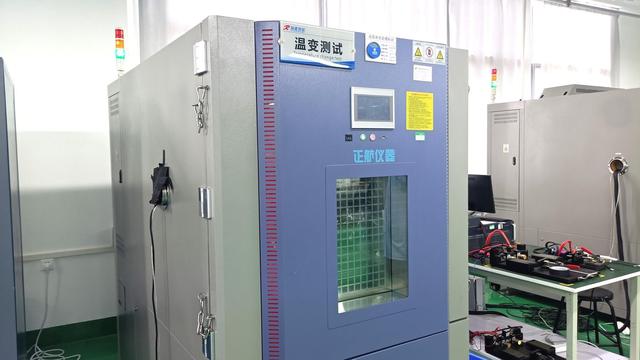
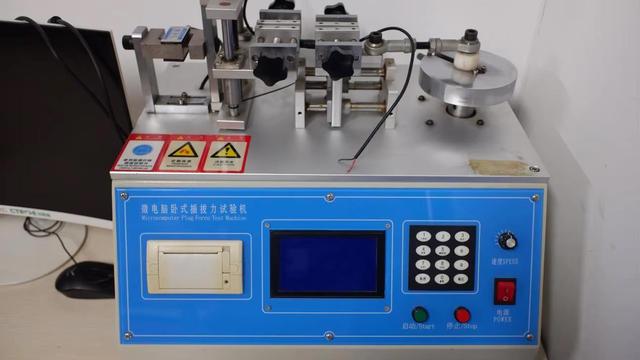
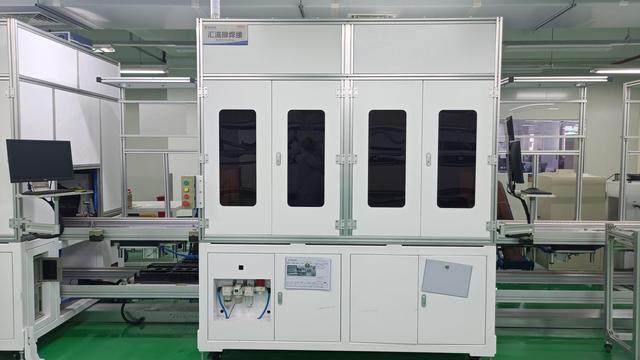
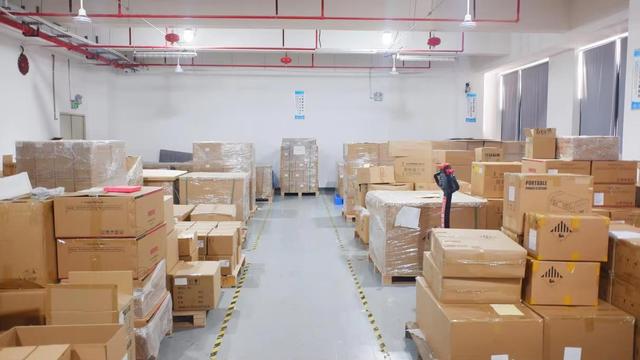
High-efficiency lithium modules, specialized balcony setups, and heavy-duty industrial storage systems.
Expert technical answers addressing common procurement inquiries, safety standards, and manufacturing protocols.
LiFePO4 chemistry provides significantly higher thermal stability, chemical safety, and extended lifespan. Unlike NMC (Nickel Manganese Cobalt), LiFePO4 does not release oxygen during thermal breakdown, eliminating spontaneous fire risks. Additionally, LiFePO4 delivers 6,000+ deep discharge cycles at 80% DOD compared to 1,500-2,000 cycles for standard NMC chemistry, resulting in a dramatically lower Levelized Cost of Storage (LCOS).
Tier-1 manufacturers pre-program smart BMS controllers with auto-detectable RS485 and CANbus protocol libraries compatible with major inverter brands globally (e.g., Deye, Growatt, Victron Energy, GoodWe, Solis, Luxpower). Custom protocol mapping can be developed through ODM firmware adjustments upon customer request.
For European markets, mandatory requirements include CE (LVD & EMC), RoHS, and UN38.3 transport safety validation, with EN IEC 62619 for industrial safety. For North America, key certifications include UL 1973 (stationary batteries), UL 9540 (energy storage systems integration), and UL 9540A thermal runaway fire propagation testing reports.
Air cooling relies on localized fan ventilation, which can cause temperature gradients (ΔT > 5°C) across large battery packs, accelerating degradation in extreme climates. Liquid cooling circulates coolant directly past cell plates, maintaining cell-to-cell thermal variance below 2.5°C. This enhances energy density by up to 40%, improves round-trip efficiency, and extends overall system operating life in high-C-rate industrial applications.
Shenzhen PlugVolt Charging Co., Ltd. enforces strict multi-stage quality gates: 100% automated internal resistance and capacity grading of incoming cells, automated laser welding with visual inspection (AOI), high-potential insulation testing, and full-load charge/discharge aging tests on all assembled storage units before final compliance sign-off.
Yes. Modern modular systems allow users to stack or parallel connect battery modules (e.g., expanding from 5kWh to 30kWh) as energy demands increase. Intelligent BMS control balances voltage across old and new modules automatically without inducing inter-module current circulation risks.
Standard catalog products ship in 7 to 15 days. Customized OEM orders (special branding, bespoke enclosures, tailored BMS firmware, custom packaging) typically require 25 to 35 calendar days from final drawing approval, benefiting from Guangdong's rapid-prototyping supply network.
Balcony storage kits equipped with off-grid EPS (Emergency Power Supply) output ports automatically isolate from the utility grid within milliseconds during a power failure, switching to dedicated local battery discharge to power essential appliances safely.
 PlugVolt Charging